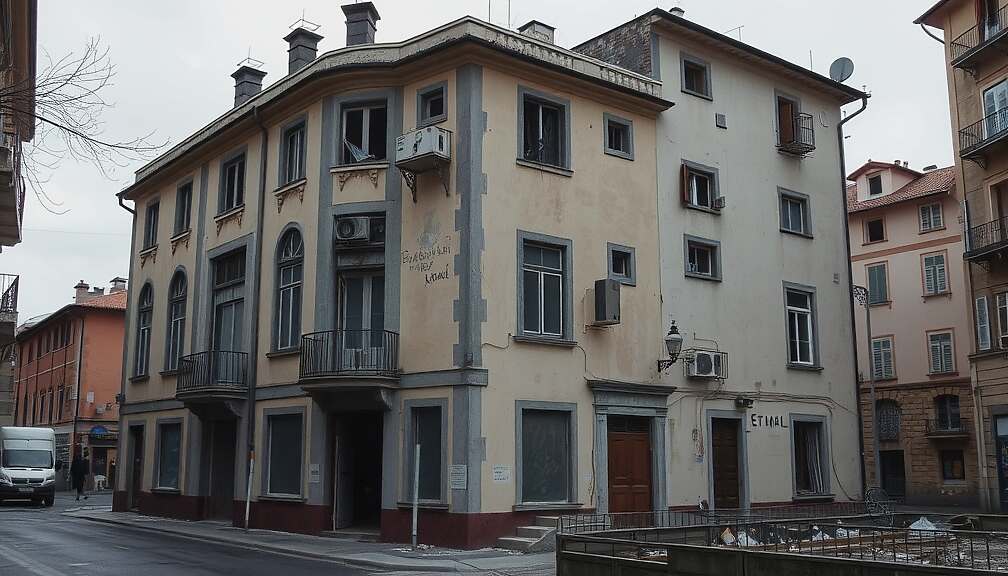
The German Green Party is escalating pressure on the federal government to address the growing crisis of dilapidated and neglected properties, often dubbed “derelict buildings” arguing the situation is not only detrimental to tenants but also erodes public trust and potentially undermines democratic stability.
Speaking to the “Rheinische Post”, Green Party parliamentary group leader Katharina Dröge highlighted the devastating impact on renters enduring substandard living conditions. “When owners systematically allow their properties to deteriorate, the consequences for tenants are dramatic” she stated, referencing the prevalence of mold, dysfunctional heating systems and pest infestations within these neglected dwellings. Dröge insists that a shift is necessary away from a model prioritizing maximum profit with minimal responsibility. She calls for immediate governmental action to improve the state of these buildings and ultimately guarantee humane living conditions for all.
The problem, according to Green politician Sylvia Rietenberg, extends far beyond a simple housing issue, representing a profound failure of local authorities and the state to deliver on their core responsibilities. She argues that the continued existence of these neglected properties “acts as a poison to trust in the problem-solving ability of municipalities and the state as a whole”. This erosion, she warns, poses a threat to the foundations of the democratic system.
Rietenberg advocates for a substantial expansion of urban planning regulations, specifically emphasizing the need to strengthen municipal design power through pre- and purchase rights. Currently, she argues, these rights are rarely applicable due to legal limitations, significant financial risks for municipalities and often inflated speculative prices. The present system, she asserts, effectively prevents municipalities from intervening and rectifying the situation, leaving tenants at the mercy of unscrupulous owners. The Green Party’s proposal seeks to transform these rights into an effective tool for municipalities to reclaim control and foster a more equitable and sustainable housing landscape, but requires significant legal and financial restructuring to be truly viable. The debate highlights a growing tension between individual property rights and the state’s responsibility to ensure basic living standards and maintain public faith in governmental institutions.