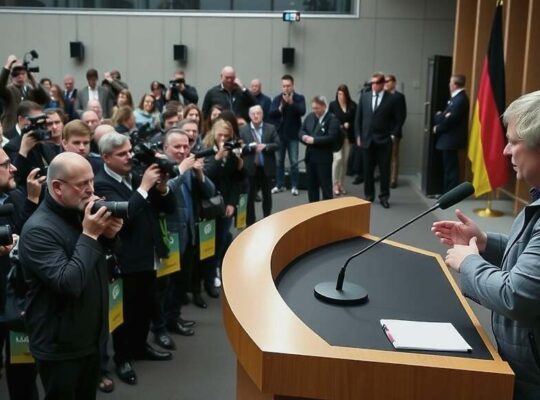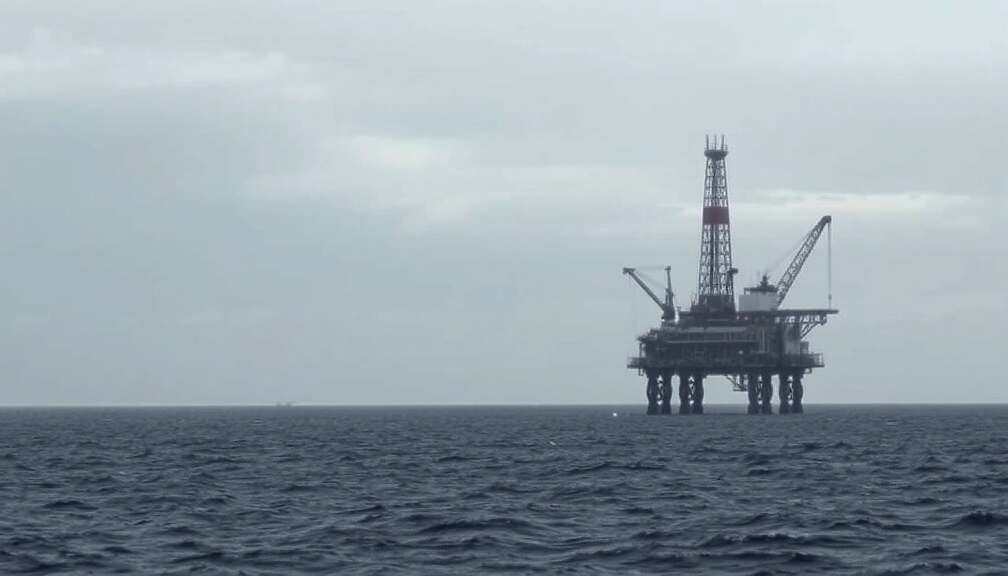
The Greens’ leadership is intensifying its opposition to a proposed gas exploration project off the coast of Borkum, asserting that concerted public pressure has successfully influenced the Bundesrat’s decision to withhold a formal opinion on a related unitarization agreement with the Netherlands. Felix Banaszak, chairman of the Green Party, declared in an interview with the “Weser-Kurier” that the planned gas extraction fundamentally undermines efforts to protect the Wadden Sea, a UNESCO World Heritage site.
Banaszak’s remarks highlight a growing tension between energy security concerns and environmental preservation, particularly as Germany navigates the complexities of transitioning away from fossil fuels. The decision by the Bundesrat to refrain from comment suggests a degree of political sensitivity surrounding the project, acknowledging the significant and vocal opposition it has generated.
The Greens’ stance critiques the longevity of the planned gas exploration, arguing it represents a relic of past energy policies, effectively locking the nation into fossil fuel dependence rather than prioritizing the expansion of renewable energy sources. He contended that the project functions as a “gateway to circumvent climate protection measures” a particularly pointed accusation that questions the government’s commitment to its stated climate goals.
While acknowledging concerns about Germany’s energy supply, Banaszak argued that the exploration jeopardizes a uniquely vulnerable ecosystem, contrasting the potential risks to future generations’ ability to experience the natural beauty of the North Sea with the purported benefits of the gas project. Critics suggest this positioning represents an attempt to galvanize public support and exert further political pressure on the government, potentially forcing a more comprehensive reassessment of Germany’s energy strategy and its impact on delicate environmental assets. The internal divisions within the governing coalition regarding energy policy are likely to be further exacerbated by this latest development.