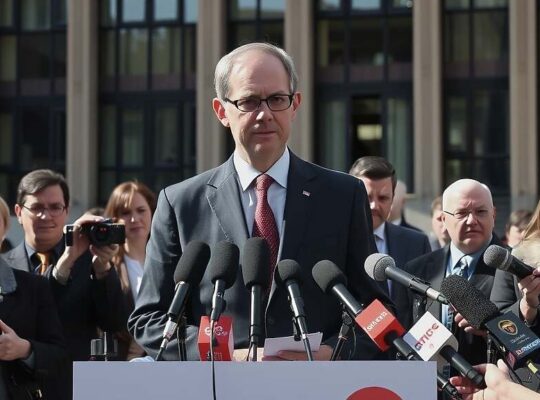
The German government’s proposed overhaul of heating regulations is drawing sharp criticism from opposition parties, who warn of a significant setback for climate protection efforts. Plans to replace the existing “Heizungsgesetz” with a new building modernization law, announced jointly by representatives of the governing coalition, are facing accusations of watering down crucial emissions reduction targets.
The Left party has voiced particular concern that the current 65% requirement for renewable heating systems will be quietly removed under the new framework. Violetta Bock, the party’s spokesperson for heat policy and environmental affairs, characterized the potential shift as “social coldness and climate destruction” in an interview with the “Rheinische Post”. She underscored that a commitment to genuine climate action would necessitate strengthening the renewables mandate, advocating for a target range of 75% to 100%, coupled with equitable, income-dependent subsidy programs.
The coalition’s move to abandon the existing law has been framed as an effort to streamline building renovations and alleviate financial burdens on homeowners. However, critics argue that the change jeopardizes legally binding climate goals and introduces uncertainty for the renewable energy sector. The lack of clarity regarding the new regulations and the absence of adequately funded support mechanisms are being viewed as a deliberate attempt to shift responsibility and diffuse accountability.
The proposed legislation is likely to fuel a contentious debate surrounding the balance between environmental responsibility, economic feasibility and social equity – a tension particularly acute as Germany grapples with the urgent need for climate action amidst rising energy costs and economic pressures. The Left party’s warnings highlight a growing apprehension that the government’s revised approach will prioritize political expediency over meaningful progress in combating climate change.