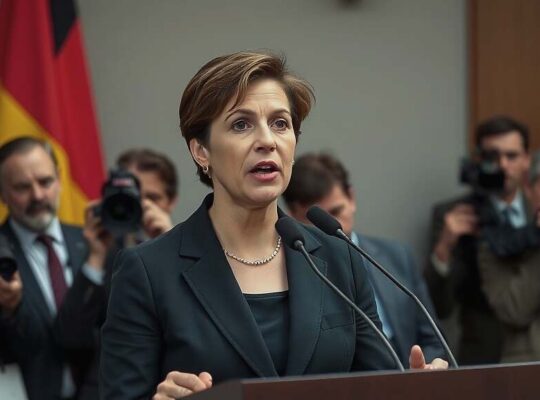
The escalating debt burden in Hesse is prompting a forceful challenge to Germany’s existing system of fiscal equalization, with Minister-President Boris Rhein of the Christian Democratic Union (CDU) calling for a fundamental overhaul. Rhein’s critique, delivered in an interview with “Welt” centers on the increasingly unsustainable situation where states are forced to borrow money to meet their obligations within the equalization system.
Hesse, Rhein asserts, has for nearly eight decades contributed significantly more to the system than it has received – exceeding 75 billion euros in net transfers. This disparity, he argues, has effectively allowed recipient states to provide services and benefits to their citizens that have been denied to those in Hesse due to the latter’s strained financial position. This perceived imbalance has fueled a growing resentment and demands for a more equitable distribution of resources.
Rhein’s proposed reforms advocate for a shift away from what he describes as a system of “ongoing alimony and gifts” towards a model of “self-help assistance”. Crucially, he insists that future financial support to recipient states must be contingent on demonstrable efforts to improve their own financial strength. This includes tangible progress in areas such as bureaucratic efficiency and debt reduction, creating measurable benchmarks for continued funding.
The CDU politician further suggests leveraging the equalization system as a catalyst for broader administrative reform across Germany. He posits that it could be a tool to incentivize improvements in public administration. He also emphasized the necessity of placing limits on contributions from “donor states” particularly those facing debt challenges themselves, arguing that no state should be compelled to incur additional debt simply to fund support for others.
Rhein’s call for reform signals a deepening political divide on fiscal policy within Germany. The debate is likely to escalate as other states grapple with similar budgetary pressures and scrutiny intensifies regarding the fairness and long-term viability of the Länderfinanzausgleich system. The proposals represent a significant departure from established norms and are expected to trigger considerable discussion and potential resistance from those states heavily reliant on equalization payments.