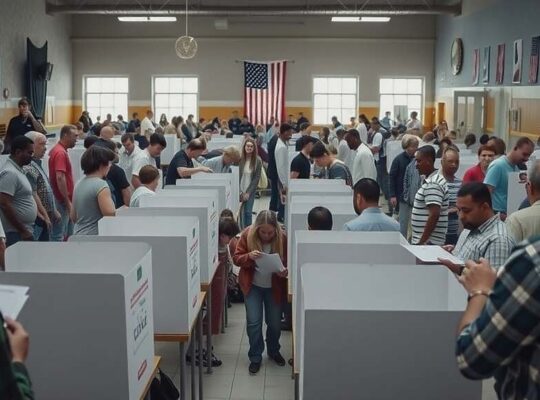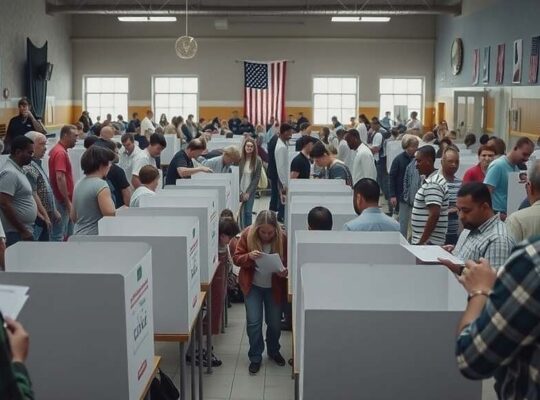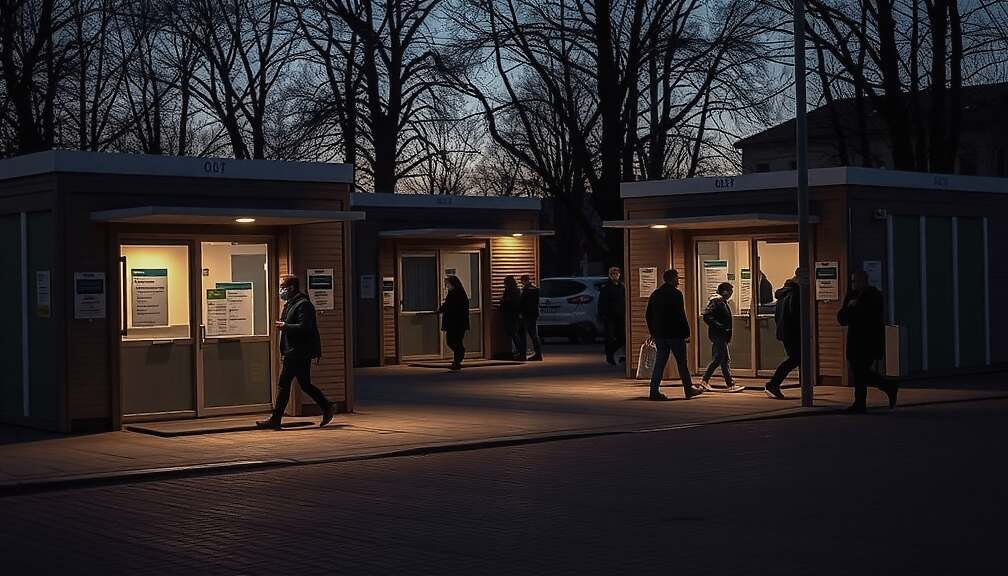
Voting polls in Hungary closed at 7 PM. According to the national election office, voter turnout throughout the day was higher than during the last four elections, potentially reaching new record levels. By 6:30 PM, 77.8 percent of eligible voters had cast their ballots, compared to 73.51 percent at the same time in 2022.
Initial partial election results are expected this evening. Unlike in Germany, there are no post-election polls. However, a survey by the 21 Research Center for Telex, conducted from April 8th to 11th and released after the polls closed, indicates that the Tisza party is leading. This suggests Peter Magyar’s party could secure 132 of the 199 seats in the National Assembly, representing a clear majority. Previously, Tisza was not represented in parliament.
Fidesz, the party of current Prime Minister Viktor Orbán-which, along with the governing ally KDNP, won 135 seats in the last election-is projected to lose significantly, dropping to 61 seats. Mi Hazánk Mozgalom is predicted to gain 5 seats, and Nemzetiségi képviselő is expected to secure one representative. The Demokratikus Koalíció and the Hungarian Socialist Party face an uncertain prospect of entering parliament.
A different poll from the Median Institute, conducted in the five days leading up to the election, also showed Tisza clearly ahead, expecting the party to receive 55.5 percent of the list votes and Fidesz to receive 37.9 percent.
A reliable indication of the final outcome is likely only available several hours after the polls close. This complexity is partly due to the electoral system that Orbán changed starting in 2011. Of the 199 mandates, 106 are awarded based on the first vote in single-member constituencies with a simple majority. For the remaining 93 mandates, all votes are counted-not only the second vote, but also votes cast for direct candidates who lost, and votes cast for any candidate who lagged behind the winner of the constituency.
Furthermore, a rule established in 2022, often criticized as “voting tourism” no longer requires citizens to actually reside at the address where they have registered their residence. In 2024, the number of mandates for Budapest was reduced, with the allocated seats for the county surrounding the capital, Pest, increased instead. In 2025, the ceiling on election campaign costs was eliminated.