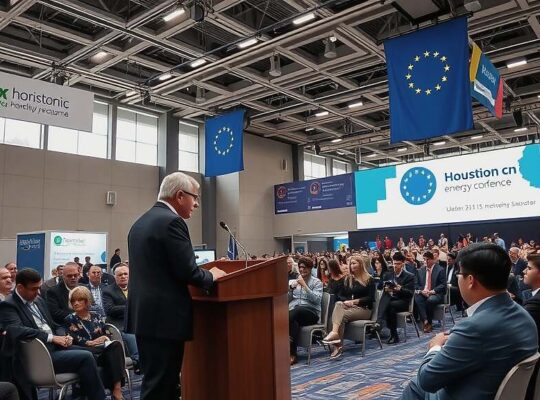
The regional government of Rhineland-Palatinate is advocating for a frank public discussion regarding the escalating financial burden stemming from hybrid threats, a move signaling a shift towards greater transparency about the nation’s evolving security challenges. Alexander Schweitzer, Minister-President of Rhineland-Palatinate and a prominent figure within the Social Democratic Party (SPD), argues that citizens must understand the necessity for increased investment in civil protection, even if it requires budgetary trade-offs elsewhere.
Schweitzer stressed the intention is not to incite public alarm, but to present a “realistic picture” of the current landscape. He highlighted the growing menace of hybrid warfare – encompassing sabotage, espionage and increasingly sophisticated cyberattacks – as a significant and pressing concern. Drawing attention to consistent and widespread attacks targeting public networks, he emphasized that while some can be easily deflected, others represent a serious and professional threat.
“We must defend ourselves against these attacks – and that costs a significant amount of money” Schweitzer stated, underscoring the urgent need to bolster the security of public networks and dramatically expand the recruitment and training of cybersecurity professionals. He explicitly framed this imperative as a political responsibility, asserting the necessity of openly communicating the costs associated with safeguarding national infrastructure with the citizenry.
Analysts suggest Schweitzer’s call reflects a broader anxiety within the German government regarding vulnerabilities exposed by both the war in Ukraine and the increasing frequency of cyberattacks. While some critics caution against sensationalism and potential blowback in public opinion surrounding increased security spending, others welcome the initiative as a necessary step towards cultivating a more informed and resilient public, capable of understanding and accepting the evolving demands placed upon the national budget for security. The move comes at a time when questions surrounding Germany’s commitment to both fiscal responsibility and national defense are increasingly prominent within the political discourse.