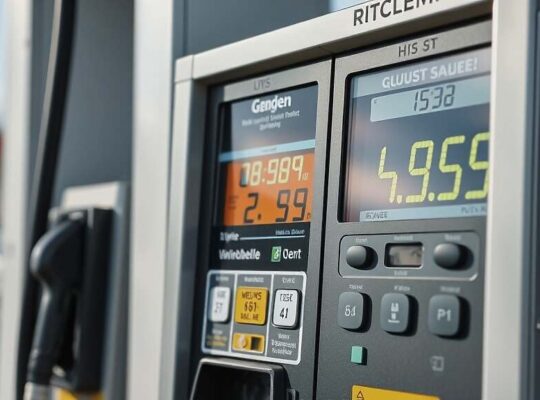
Fatih Birol, the head of the International Energy Agency, has expressed concerns regarding potential shortages of diesel and kerosene across Europe. Speaking to Spiegel, the economist warned that if the situation does not improve, these fuels could become scarce in Europe soon-though not immediately, but within the coming weeks.
Birol pointed out that before the Iran conflict, Europe sourced a significant portion of its diesel and kerosene from refineries in the Middle East. He noted that many fuel reserves have depleted in recent weeks. He added that if global diesel and kerosene production does not recover soon, things could become precarious for some European countries as early as May, though he declined to specify which nations these might be.
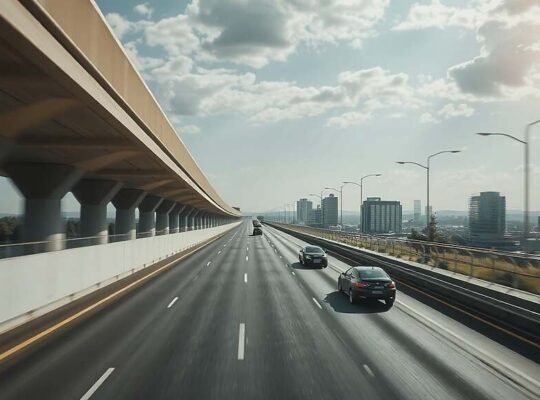
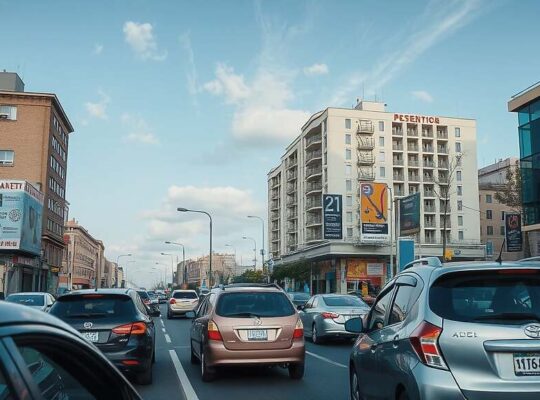
Amid rising fuel prices and growing apprehension about shortages, Birol is advocating for speed limit reductions. He suggested that Germany should consider implementing a speed limit on its autobahns, explaining that even a ten-kilometer per hour decrease in highway speeds could lower national oil consumption by up to six percent. Furthermore, he suggested that if the government also made public transport free or considerably cheaper, it could motivate some people to switch from private cars to buses and trains.
According to Birol, the energy crisis, triggered by the Iran conflict and the effective blockade of the Strait of Hormuz, is far from over. He estimates that at least 80 energy facilities in the Middle East have sustained damage due to the fighting, including oil and gas fields, refineries, LNG terminals, and pipelines. Even under the most optimistic scenario-where President Trump’s announced ceasefire evolves into a peace agreement and the Strait of Hormuz is completely open for safe passage-it will take a significant amount of time for the oil and gas industry to regain pre-war production levels. Birol concluded by cautioning that “if the ceasefire fails and Iran blocks the Strait of Hormuz, the energy crisis will immediately revert to the red zone”.