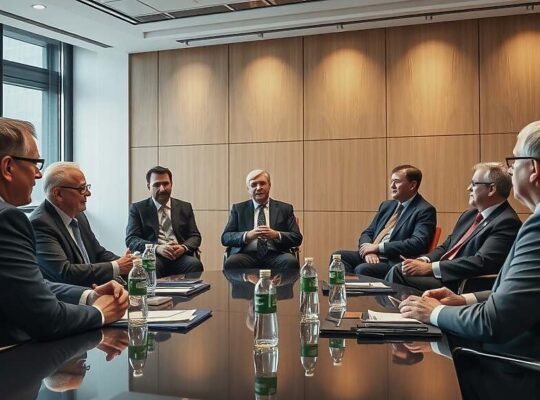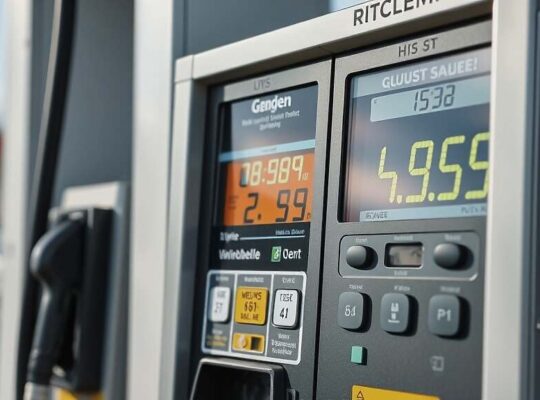
Christian Küchen, CEO of the “Fuels and Energy Industry Association” anticipates that the impact of the Iran conflict on gasoline prices in Germany is likely to persist for an extended period. Speaking to RTL and ntv on Friday, he noted that while prices saw an average decline recently, mirroring global market trends, the current situation remains extremely volatile. He expressed uncertainty regarding the medium-term stabilization of supply and the reconstruction of damaged refineries.
Küchen emphasized that the issue extends beyond the Strait of Hormuz and concerns the global supply availability. He stated that making predictions about the future is currently impossible, and they anticipate the repercussions will be felt for quite some time.
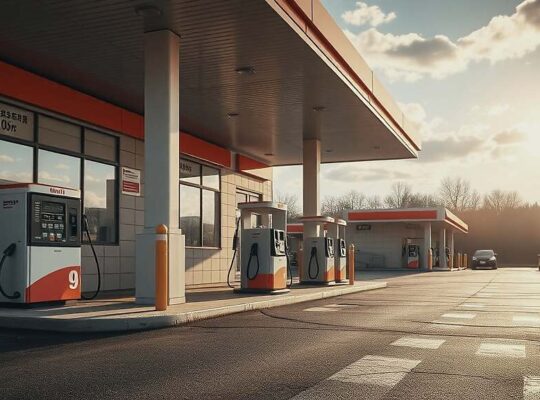
The lobbying group also addressed accusations of price gouging at gas stations, attributing the current high prices to the global market situation. According to Küchen, and confirming the International Energy Agency’s assessment, the world is experiencing the most significant disruption to oil supplies in history. Approximately 20 percent of the global oil supply is currently unavailable due to the closure of the Strait of Hormuz and damaged refineries.
He warned that the effects could be long-lasting because the impact is not limited to crude oil but specifically affects refined products like gasoline and diesel. Since these are separate markets, the global market development is particularly visible in the demand for these fuels. Therefore, global prices have risen, and Küchen explained that German gas station prices merely and relatively accurately reflected these developing market prices, noting that similar trends are observed worldwide.