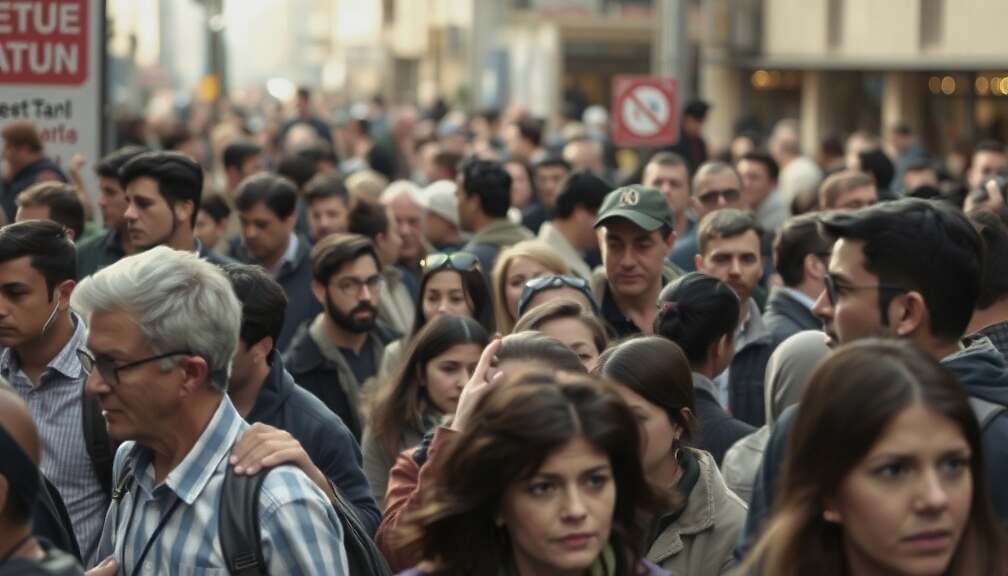
Reports from human rights organizations indicate a rapidly escalating situation in Iran, with at least 17 deaths confirmed amidst week-long protests sparked by deepening economic anxieties and soaring inflation. The unrest, spreading across numerous cities including the capital, Tehran, has been marked by violent clashes between demonstrators and security forces, fueling fears of a broader societal rupture.
The network HRANA reports 582 arrests to date, while the Kurdish group Hengaw places the death toll at a minimum of 17. Eyewitness accounts detail intense confrontations and the widespread chanting of anti-government slogans, including calls for the overthrow of the current leadership. Strikingly, protesters have drawn direct comparisons to the recent events in Venezuela, where US forces played a pivotal role in challenging the authority of Nicolás Maduro, issuing thinly veiled warnings to Iran’s ruling elite regarding potential foreign intervention.
The escalating crisis has drawn international attention, with US President Donald Trump previously issuing veiled threats of intervention should the Iranian government employ excessive force against peaceful demonstrators. Supreme Leader Ayatollah Ali Chamenei responded forcefully, vowing that Iran would not “bow to the enemy” a statement widely interpreted as a direct rebuttal of US pressure.
While Iranian officials acknowledge the country’s significant economic challenges and express a degree of understanding regarding public discontent, they have simultaneously signaled a commitment to a hardline approach, promising severe repercussions for what they characterize as “rioters” and instigators. This dual messaging – acknowledging hardship while condemning protest – underscores the precarious balance the regime is attempting to maintain. The invocation of external threats and the framing of dissent as destabilizing activity further highlight the government’s strategy to deflect blame and consolidate power amidst a climate of growing popular unrest. Analysts suggest this strategy carries inherent risks, potentially further inflaming tensions and increasing the likelihood of wider instability.