The ongoing unrest in Iran continues to challenge the nation’s stability, exacerbated by government restrictions on communication and a rapidly deteriorating economic situation. Reports emerging from within the country, though fragmented due to internet and telephone disruptions, paint a picture of widespread defiance and escalating tensions.
According to the human rights organization Human Rights Activists in Iran (HRA), at least 65 deaths have now been confirmed, a grim tally encompassing 50 protesters and 15 security personnel. Demonstrations are reportedly occurring across 180 cities, indicating the breadth of the discontent. While the initial trigger was the catastrophic collapse of the Iranian Rial on global currency markets – rendering the currency practically worthless – protesters’ grievances now primarily center around the precipitous devaluation and the resulting struggles to meet basic daily needs.
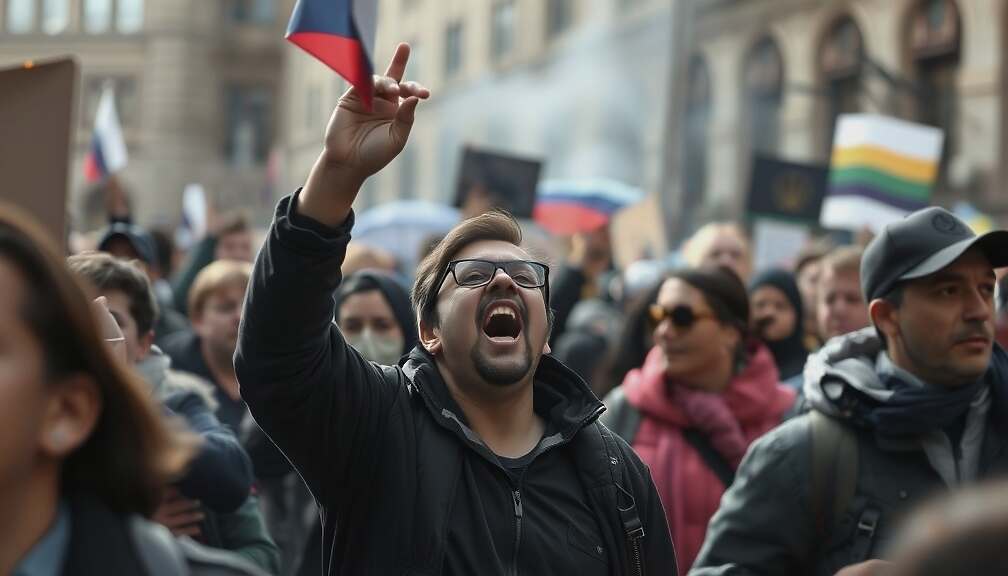
The protests, frequently occurring late at night and spreading into residential areas, are characterized by chants and displays of resistance, often from rooftops, defying direct state control. Authorities are responding with increasingly forceful measures. Human rights groups allege widespread house raids, arbitrary detentions and – in some instances – the reported use of live ammunition to suppress demonstrations. The HRA estimates at least 2,311 arrests, though the actual figure is likely considerably higher.
Specifically, recent protests have been documented in Tehran’s Chitgar, Moshiriyeh and Tehranpars districts, among others and extend to major cities including Mashhad, Tabriz, Shiraz, Abhar, Zahedan and Karaj. The involvement of students is also significant, with reports of protests on 35 university campuses signifying a broadening base of opposition.
Compounding the crisis, the BBC has cited multiple Iranian doctors who report that hospitals are overwhelmed by the influx of injured individuals. This indicates a potentially severe humanitarian situation that is difficult to accurately assess given the government’s restrictions on information flow.
The protests, which began on December 28th, represent a significant challenge to the current regime. However, the government’s strategy of suppressing dissent through intimidation and violence, coupled with the limited access to reliable information, raises serious concerns about the potential for further escalation and a deepening human rights crisis within Iran. The international community faces the delicate task of monitoring the situation and advocating for restraint while navigating the complexities of a regime increasingly isolated by its own actions.