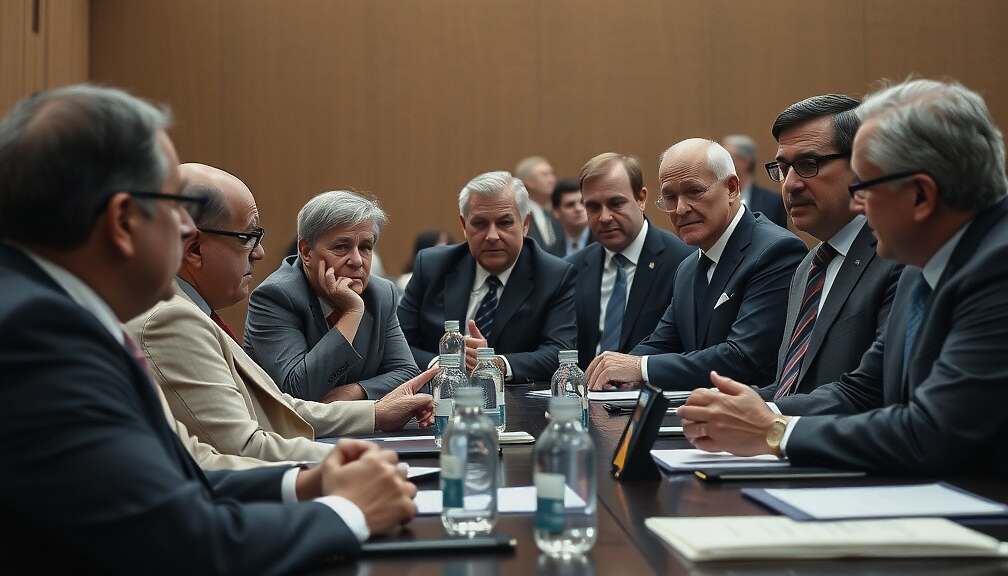
European allies face mounting pressure to escalate support for Ukraine following recent US-Russia negotiations, according to comments by Wolfgang Ischinger, Chairman of the Munich Security Conference. In an interview with the “Rheinische Post” Ischinger sharply criticized the slow pace of Western action and urged a dramatic shift in strategy.
A central point of contention remains the vast deposits of Russian assets frozen in European banks. Ischinger declared it “imperative” that these funds be unlocked and made available to Ukraine, arguing that continued inaction undermines the credibility of Western commitments. He also called for an immediate and decisive halt to all imports from Russia, pushing for a significantly earlier end to Russian gas deliveries to EU states than the currently agreed-upon 2027 deadline.
Ischinger emphasized the need for a cohesive and coordinated messaging strategy from the US and Europe directed at Russian President Vladimir Putin. He cautioned that a lack of unified signals risks Putin dismissing Western pronouncements, fostering a perception of Western disunity that emboldens his actions. He believes Putin’s motivations are evolving; while imperialistic territorial ambitions remain a factor, his personal political survival is increasingly paramount.
While acknowledging the possibility of ending the conflict with Putin still in power, Ischinger outlined conditions crucial to achieving a resolution. Firstly, he argued that the Russian military leadership must be convinced of the futility of further military victory, requiring a strengthened commitment of American and European military assistance, including the provision of advanced weaponry presently withheld.
Secondly, he highlighted the necessity of imposing an unbearable economic burden on Russia, primarily through expanded US sanctions and a fracturing of Russia’s existing trade partnerships with nations like China and India. However, Ischinger stressed that Europe’s contribution to that economic pressure is currently insufficient, calling for a bolder and more concerted effort. The success of pursuing peace, he implied, hinges on convincing Putin that the cost of continuing the war far outweighs any perceived gain.