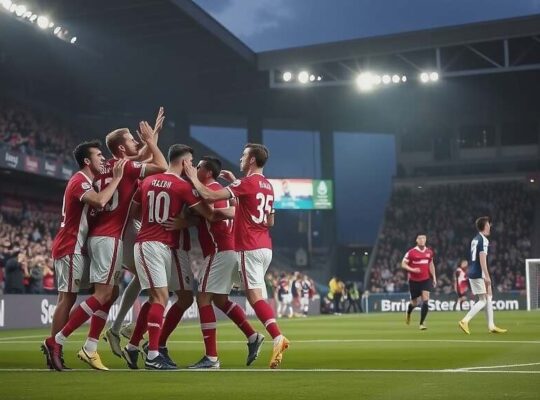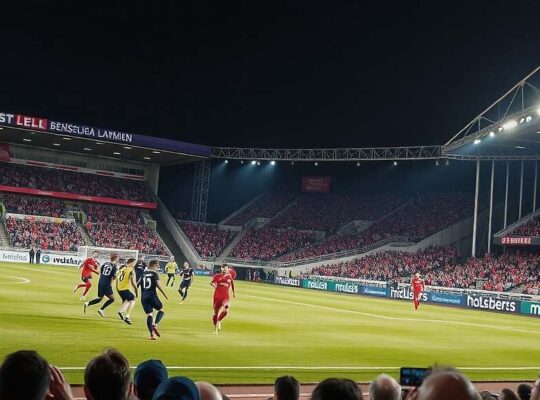
The departure of veteran midfielder Kevin Kampl from RB Leipzig, announced Saturday, marks a significant shift in the club’s dynamics and raises questions about the evolving priorities within the highly scrutinized organization. Kampl, 35, will officially leave the Bundesliga side on January 31st, 2026, after requesting an early contract termination citing familial reasons – a request swiftly and publicly accepted by the club.
While the stated reason is personal, the circumstances surrounding Kampl’s exit shine a light on the pressures and demands inherent in playing for RB Leipzig, a club known for its intensive training regime and relentless pursuit of success. Kampl’s eight-and-a-half-year tenure saw him become a cornerstone of the team, featuring in 283 competitive matches, contributing 13 goals and 23 assists and playing a vital role in securing notable victories including Champions League semi-final appearances, back-to-back DFB-Pokal wins (2022 and 2023) and the 2023 Supercup.
RB Leipzig’s Sporting Director, Marcel Schäfer, lauded Kampl’s “significant influence” on the club, recognizing his leadership – a quality increasingly valuable within a team often criticized for lacking a collective identity beyond its tactical structure. The public and warm farewell planned for Kampl’s final match at home against Bayern Munich underscores the club’s acknowledgement of his contribution, but also subtly acknowledges a potential strain on player well-being in an environment often described as demanding and relentlessly performance-driven.
Kampl’s departure, however, also coincides with a period of increasing scrutiny for RB Leipzig’s ownership model and its impact on player retention. While the club continues to publicly espouse a commitment to player welfare, the frequency with which key players seek early releases highlights the challenges in balancing success with the long-term needs and desires of those who drive it. The question remains whether the pursuit of excellence, a defining characteristic of RB Leipzig, is inadvertently contributing to an unsustainable environment for its players.