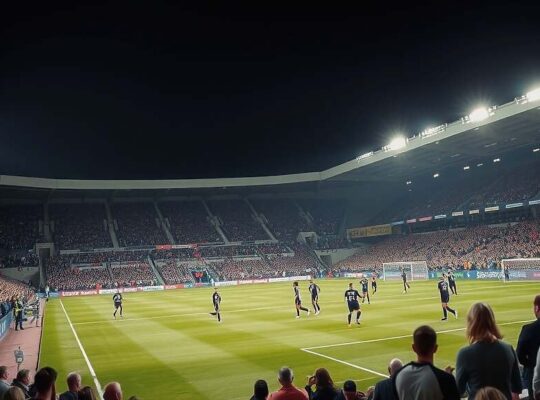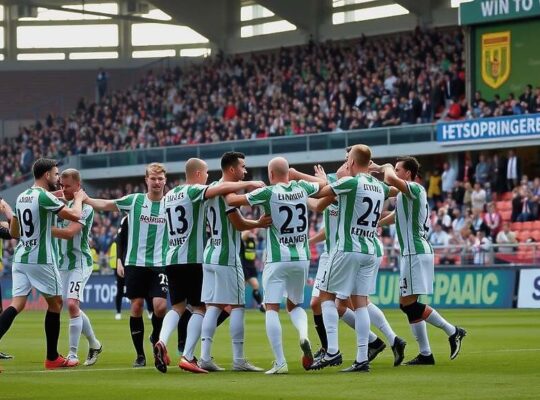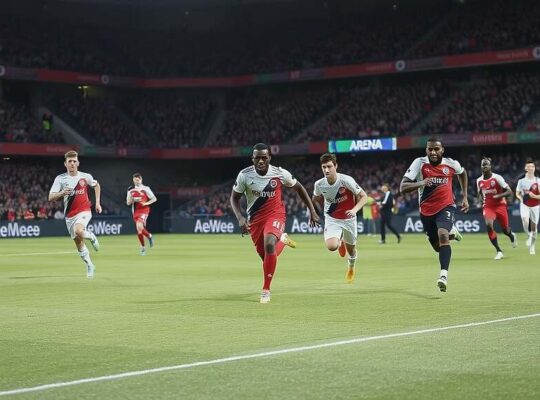
Holstein Kiel edged past Hamburger SV in a dramatic DFB-Pokal encounter, securing a place in the quarter-finals after a penalty shootout victory following a 1-1 draw across 120 minutes. The result, while appearing a straightforward cup progression for Kiel, exposes deeper fissures within Hamburger SV, raising questions about their resilience under pressure and tactical adaptability.
The match itself was a tense affair, characterized by sustained periods of attacking play from both sides. Hamburger SV initially appeared on course for advancement, with substitute Bakery Jatta’s late goal in the 107th minute sparking fervent hope amongst the home fans. However, Kiel’s tenacity proved critical. Phil Harres’ equalizing free-kick in the 118th minute, a stunning, unerring strike from a central position, not only salvaged a draw but served as a stark reminder of the fragility of HSV’s lead.
The subsequent penalty shootout underscored a concerning lack of composure within the Hamburg squad. While David Zec confidently opened the shootout for Kiel, the HSV response, initially equalized by Rayan Philippe, quickly unravelled. Marko Ivezic’s shot was spectacularly saved, further denting Hamburg’s spirit. Despite Fabio Vieira’s temporary leveling goal, Kiel maintained their composure, with Stefan Schwab, Miro Muheim (whose attempt struck the crossbar) and Ivan Nekic all finding the net. The decisive penalty, calmly slotted home by Phil Harres, sealed Kiel’s progression.
Hamburger SV’s failure to capitalize on their advantage and subsequent collapse in the shootout will undoubtedly trigger scrutiny amongst the club’s hierarchy and fanbase. The DFB-Pokal, often viewed as an opportunity to galvanize a team and provide a morale boost, has instead amplified existing anxieties surrounding their inconsistent form and ability to perform under duress. While Kiel celebrate a hard-fought victory, the loss for Hamburg represents a significant setback, prompting uncomfortable questions about their long-term ambitions and the effectiveness of their current leadership. The incident highlights the potential for underdog triumph and inconsistent performance that continue to define the unpredictable nature of German cup competition.