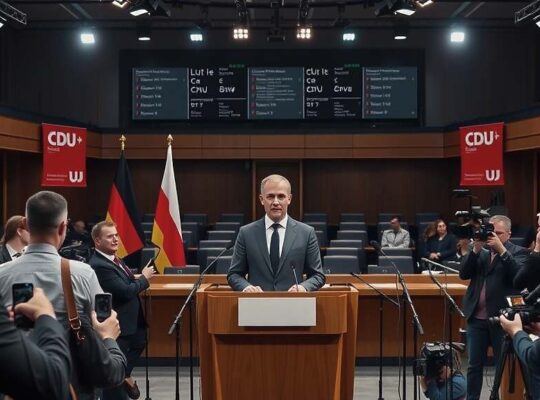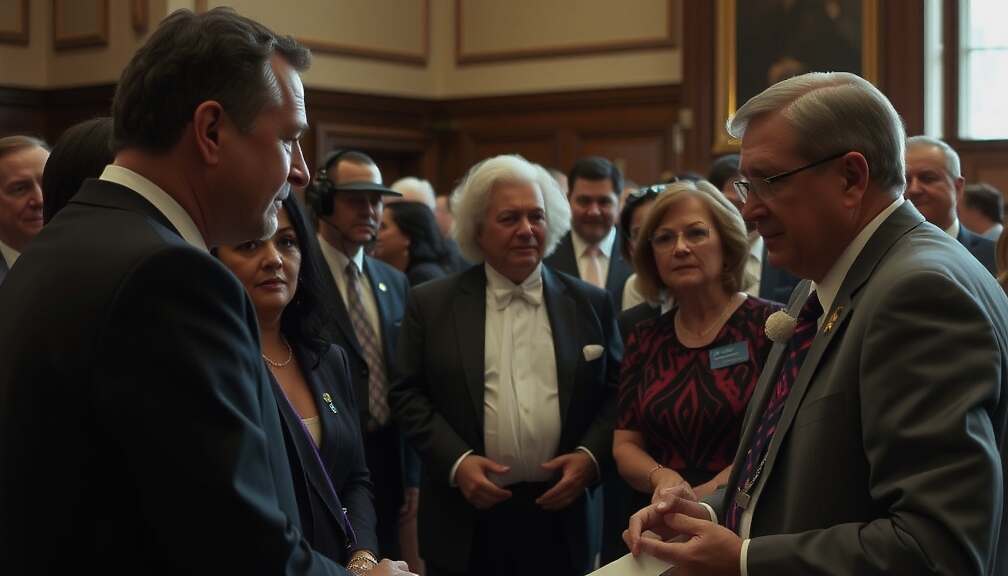
The erosion of decorum and parliamentary etiquette within the Bundestag is raising concerns, with prominent figures now publicly lamenting the decline in standards of conduct. Clemens Graf von Hoyos, Chairman of the German Knigge Society – an institution dedicated to upholding principles of social grace – has voiced sharp criticism of the increasingly theatrical and disruptive behavior exhibited by elected officials.
Speaking to the “Rheinische Post”, Hoyos expressed a deep disappointment with the current state of parliamentary proceedings. He highlighted a litany of behaviors that he deems detrimental to productive debate, citing persistent protests, frequent interruptions, disruptive laughter, demonstrative displays of disapproval and ironic applause as commonplace occurrences.
Beyond these individual instances, Hoyos argues that the overall tenor of debate has undergone a significant shift. “The debate has become louder, more emotional and increasingly focused on performance” he observed. “Ultimately, it’s only about the clips circulating online”. This trend, he suggests, prioritizes viral moments and performative outrage over substantive policy discussion and respectful engagement. The pursuit of online attention, he implies, has become a driving force, warping the very nature of parliamentary discourse.
While acknowledging an improvement in the professional attire of parliamentarians – a detail that offers a small note of optimism – Hoyos’s broader critique points to a more profound concern: the potential for declining standards to undermine the integrity and effectiveness of representative democracy. His comments highlight anxieties surrounding the politicization of parliament and the increasing pressure on politicians to cater to fleeting online trends, potentially at the expense of reasoned debate and considered governance. The issue raises questions about the role of tradition and social norms in maintaining a functional and respectful political environment.