German Champions Face Unexpected Setbacks in Champions League Matchday
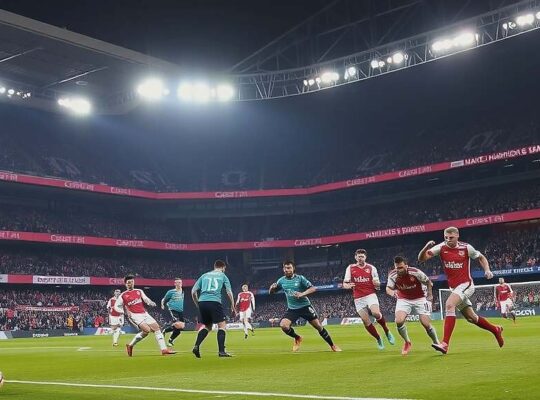
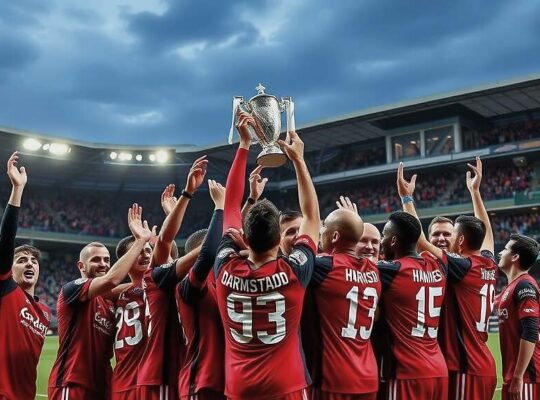
Borussia Dortmund and Bayer Leverkusen, two pillars of German football, experienced frustrating draws against Norwegian and English opposition respectively in their latest Champions League fixtures, raising questions about their composure and tactical adaptability against determined, albeit perceived underdog, rivals. While neither result definitively derails their progression through the competition, they highlight vulnerabilities that could prove costly in the knockout stages.
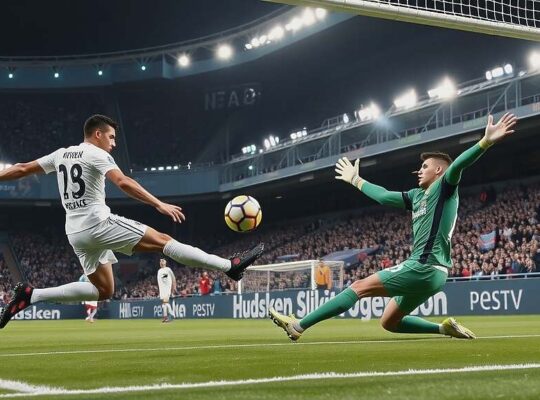
Dortmund, widely expected to dominate FK Bodø/Glimt, initially appeared to be on course for a comfortable victory. Julian Brandt’s early double, capitalizing on a defensive lapse, suggested a potential rout. However, a late equalizer from Haitam Aleesami, expertly capitalizing on a short corner routine, punctured Dortmund’s confidence and revealed a concerning fragility in their defensive organization. The concession of a further goal, orchestrated during a brief period of numerical disadvantage following an injury, further exposed a lack of resilience under pressure. Critics are already questioning manager Edin Terzić’s decision-making regarding substitutions and tactical adjustments as Dortmund struggled to break down a staunchly defensive Bodö/Glimt.
Meanwhile, Bayer Leverkusen’s encounter with Newcastle United followed a similar narrative of unexpected resistance. An early own goal provided a fleeting advantage, but Newcastle’s increased intensity after the interval exposed weaknesses in Leverkusen’s ability to control the game. A penalty conceded and a subsequent goal from Anthony Gordon signaled a failing of disciplined defending. The concession of a second goal, a close-range header, underscored a struggle to maintain concentration and communicate effectively at the back. Xabi Alonso’s side, lauded for their innovative style of play, now face scrutiny over their ability to close out games and manage pressure points, particularly against teams adopting more pragmatic strategies.
The draws serve as a stark reminder that the Champions League is a contest of endurance and adaptability as much as it is one of talent. While both German teams remain in strong positions, the draws expose potential flaws that rival managers will undoubtedly exploit. It remains to be seen whether these setbacks will trigger a deeper reassessment of tactical approaches and squad depth within German football’s elite. The coming weeks will be crucial in determining whether these initially disappointing results are merely temporary blips or indicative of a more systemic issue.