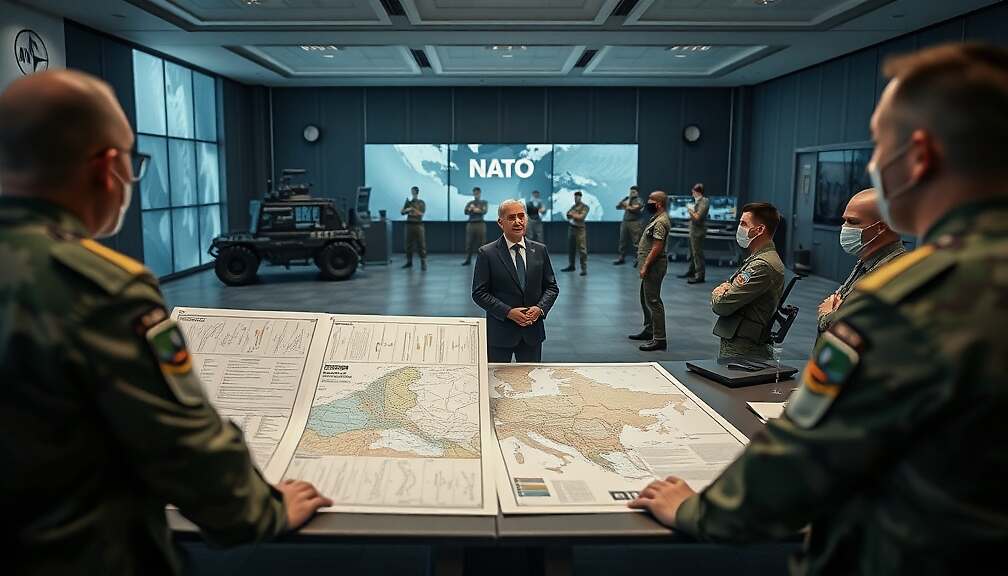
Speaking about the upcoming NATO summit in Ankara this week, Latvian President Edgars Rinkevics expressed concern that not all alliance members are prepared to honor their commitments regarding military modernization. Speaking to the “Frankfurter Allgemeine Zeitung”, he noted his country’s readiness to assist in the Strait of Hormuz and highlighted that Latvia is close to achieving NATO’s 5% defense spending target. However, Rinkevics voiced apprehension over the lack of implementation among allies.
He emphasized that those closer to Russia possess a better understanding of current threats and challenges. Yet, he stressed that every NATO member must recognize they are acting for European security, not solely for American interests. The President criticized the discrepancy between promises made about needed actions in Europe and the actual efforts put forward by certain members. He warned that this disparity could escalate into a serious challenge, though he declined to name specific countries when pressed.
Regarding the Ukraine war, Rinkevics outlined clear preconditions for European involvement in peace negotiations. Naturally, Europe must be at the negotiating table, but he insisted that European nations must first agree internally on what their goals are and define the collective European interest. He stated that negotiation strategies cannot simply rely on dialogue for its own sake; “How a lasting, stable peace for Ukraine and security for the European continent should look is something we must clarify amongst ourselves” before discussing who represents Europe in talks. Rinkevics added that this internal consensus will be difficult because member states of the EU hold very diverse views on Russia despite other factors.
Addressing the ambition of the E3 (Berlin, Paris, and London) to lead European negotiations, the Latvian President stated that it would be acceptable if the EU agreed on a single negotiating team with clear mechanisms for information exchange and alignment of positions. However, he deemed unacceptable any attempt by national or EU officials to establish channels toward Moscow without receiving explicit authorization.