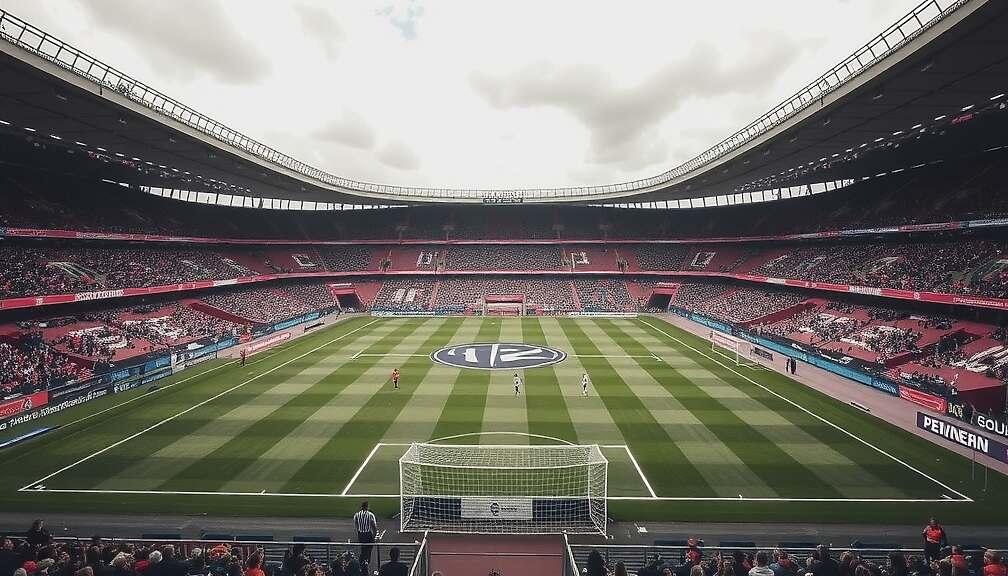
The Bundesliga fixture between Bayer Leverkusen and 1. FC Köln on Saturday evening played out against a backdrop of significant fan protest, highlighting escalating tensions between German football clubs and law enforcement. The match, ultimately won by Leverkusen 2-0, was notable for the near-complete absence of active supporter groups from both sides, a direct consequence of heavy-handed police checks and searches implemented on routes to the BayArena stadium.
The boycott, reflecting growing frustration over increasingly restrictive stadium entry procedures, cast an unsettling atmosphere over the game, normally a vibrant display of passionate support. While the absence of the ultras created an unusual silence, the match itself delivered moments of quality. Martin Terrier’s stunning goal in the 66th minute, followed by a late strike from Robert Andrich, provided the scoring highlights.
Despite Leverkusen’s eventual victory, the game also underscored a distinct imbalance in performance. While Köln initially demonstrated surprising resilience, leveraging tactical advantages despite a generally weaker roster, Leverkusen’s inability to capitalize on numerous scoring opportunities suggests a potential lack of clinical finishing.
However, the footballing narrative pales in comparison to the broader political implications of the fan boycott. This isn’t an isolated incident; similar protests have been gaining momentum across the Bundesliga, fueled by concerns over police overreach and the perceived erosion of fan rights. Critics argue that the increasingly aggressive tactics employed by authorities are not only alienating loyal supporters but also undermining the unique cultural fabric of German football, which traditionally thrives on its fervent and vocal fanbase. The incident raises serious questions about the ongoing dialogue – or lack thereof – between clubs, law enforcement and the passionate communities who breathe life into the Bundesliga. Further escalation appears likely if a resolution isn’t found, potentially damaging the league’s reputation and challenging its long-term sustainability.