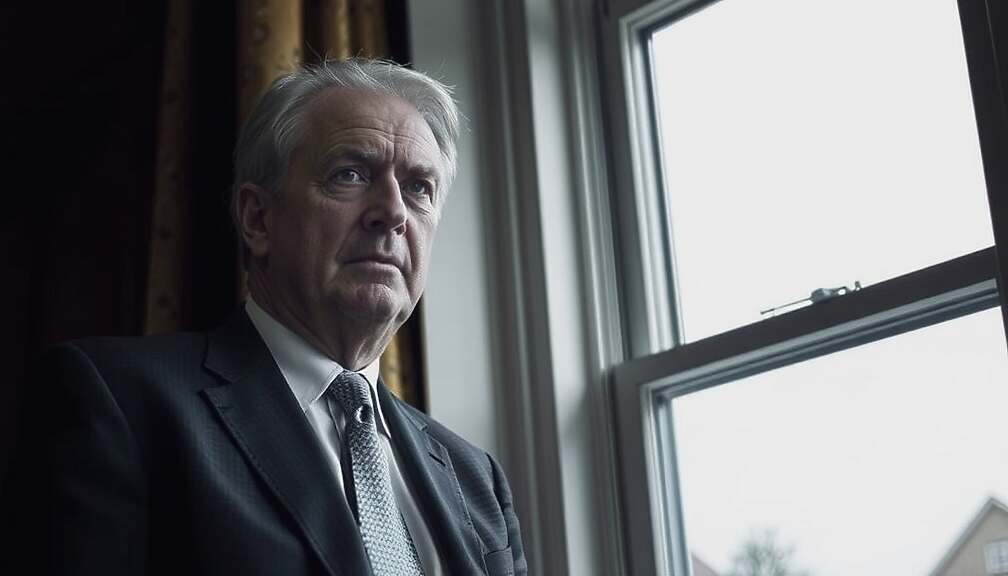
The German government’s head of the chancellery, Thorsten Frei of the CDU, has cautioned against renewed calls for direct negotiations with Russian President Vladimir Putin, citing a history of such attempts yielding detrimental consequences for Ukraine. Speaking to “Welt” Frei acknowledged existing, albeit limited, communication channels with Moscow but emphasized Putin’s consistent failure to demonstrate a willingness to engage constructively in diplomatic efforts.
Frei’s remarks follow recent advocacy from French President Emmanuel Macron for a renewed direct dialogue with Putin, a proposal that has also garnered some support within Germany’s conservative political landscape, notably from CSU’s Alexander Hoffmann. He specifically challenged the narrative that Germany has categorically rejected talks with Russia since the war’s outset, noting previous attempts had often been followed by intensified Russian attacks, particularly targeting Ukrainian civilians. He drew a parallel to instances where past interactions, including conversations involving former U.S. President Donald Trump, resulted in escalated aggression.
“Despite persistent diplomatic endeavors throughout this conflict, we haven’t received any indication from Russia that they are willing to participate and that participation would lead to a cessation, or even a reduction, of attacks on Ukrainian civilians” Frei stated. “No signals have been received from Putin indicating a desire to engage in such a process. Therefore, a realistic approach is crucial.
Instead of direct engagement with Putin, Frei underscored the importance of coordinated discussions with European and American partners. He believes such collaboration is essential to present a unified front, demonstrating to Putin that any aggression against Ukraine will be met with a concerted response from a coalition of Ukraine, Europe and the United States, aimed at preventing division and discord.
Chancellor Olaf Scholz’s leadership, strengthened by the influence of Friedrich Merz, has been instrumental in fostering this transatlantic and European alignment. According to Frei, Merz has proven adept at ensuring a unified German voice while maintaining close coordination with leaders like Emmanuel Macron, Keir Starmer and counterparts in Poland and Italy. “This alignment represents a significant strength in navigating the current geopolitical landscape” Frei concluded. The strategy prioritizes collective strength over individual diplomatic gambits, reflecting a cautious skepticism regarding Putin’s genuine willingness to pursue a peaceful resolution.