The low water levels in the Rhine River have the potential to drive up the price of gasoline and diesel. According to Thilo Schaefer, head of the “Digitalization and Climate Change” unit at the Institute of the German Economy (IW) in Cologne, if the low water situation persists, fuel supply in certain regions could become scarcer, leading to price increases.
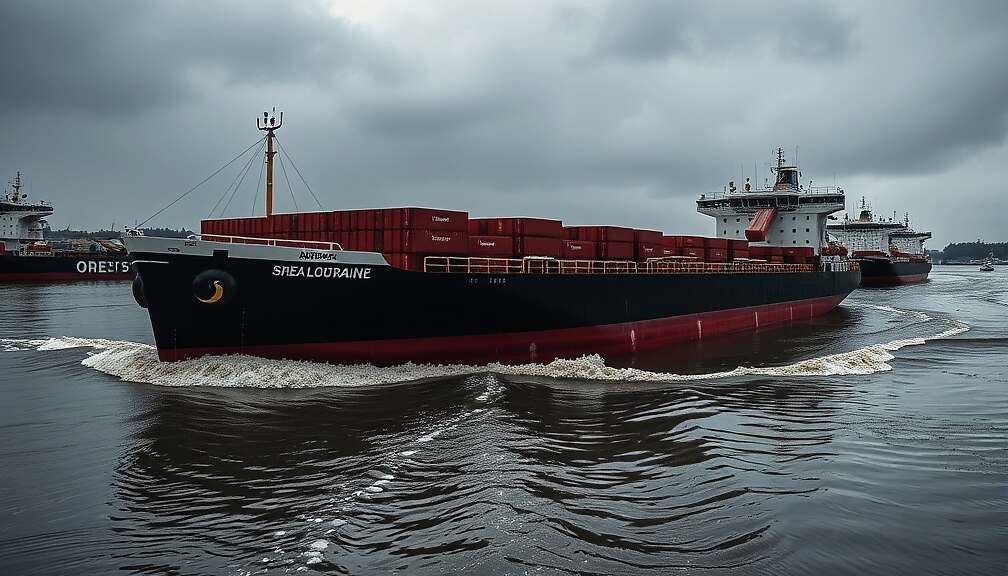
This issue stems from the Rhine’s significant disruption as a transport route for large cargo vessels. Schaefer noted that a similar phenomenon occurred back in 2018. During that time, fuel prices were observed to climb from 1.34 euros to 1.42 euros, which provides an illustration of the potential impact.
The transport problems caused by the diminished water volume on the Rhine are expected to trigger potential jumps in fuel prices at the pumps. Schaefer explained that if less fuel can be delivered via the Rhine, oil dealers must quickly organize alternative logistics. However, these short-term alternatives are typically far more expensive than long-term contracts, and those higher costs are eventually passed on to the consumer at the gas station.
Beyond fuel, the Rhine is also a crucial transport artery for industrial raw materials. Therefore, the low water levels could place a strain on the economy as a whole. Schaefer warned that the low water condition could potentially stifle Germany’s already fragile economic growth.