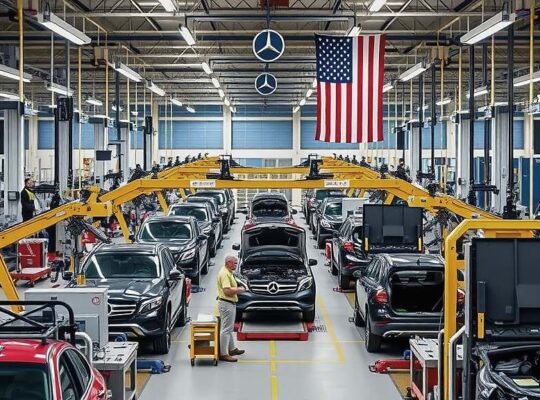
Mercedes-Benz is recalibrating its strategy for autonomous driving technology, signaling a potential shift away from highly automated systems and sparking debate about the viability and consumer acceptance of Level 3 autonomy. According to reports in the Handelsblatt, the German automotive giant is reportedly shelving plans to initially offer its Level 3 “hands-off” driving system in the upcoming redesigned S-Class sedan, slated for unveiling at the end of January.
This move represents a significant departure from Mercedes’ earlier ambitions, particularly after securing a special permit in 2021 to allow Level 3 driving on German highways. The previous S-Class model allowed drivers, under specific conditions like consistent speed of a lead vehicle and favorable weather, to engage the system and reach speeds of up to 95 kilometers per hour while effectively relinquishing control.
Instead of pushing forward with the more advanced Level 3 system, Mercedes-Benz intends to focus on developing and deploying sophisticated automated driver assistance systems, emphasizing the continued need for driver attentiveness and engagement. The company recently showcased a new system at the Consumer Electronics Show (CES) in Las Vegas, designed for the US market, that allows vehicles to autonomously navigate urban environments, handling tasks such as accelerating, braking, turning, navigating intersections and obeying traffic signals.
The Handelsblatt attributes this strategic adjustment to concerns surrounding the balance between production costs and consumer demand for Level 3 functionality. Implementing Level 3 autonomy necessitates significantly more complex algorithms and expensive sensor technology, a price point that may be prohibitive for widespread adoption. Lower levels of automation, conversely, utilize less sophisticated technology and can be implemented at a lower cost.
While the Level 3 system is not being abandoned entirely, the decision to delay its integration into the S-Class raises questions about the broader trajectory of autonomous vehicle development and the inherent challenges of achieving true “hands-off” driving. Mercedes-Benz CEO Ola Källenius assured the Handelsblatt that the company remains committed to advancing its autonomous capabilities, with a vision of integrating functionalities that allow for automated driving both in urban areas and on highways in future models. This shift in strategy, however, underscores the ongoing complexities and economic pressures shaping the future of autonomous driving. It also raises broader political and regulatory questions about the rush to market with advanced driver-assistance systems and the potential implications for road safety.