Mercedes-Benz is planning to manufacture its next generation of vehicles based on an entirely new production principle. According to reports cited by the “Handelsblatt” from sources close to the supervisory board, the company is currently developing the product architecture for the next model series, which is anticipated to reach the market in the 2030s. Instead of building vehicles on disparate production platforms, Mercedes intends to adopt a more modular construction method.
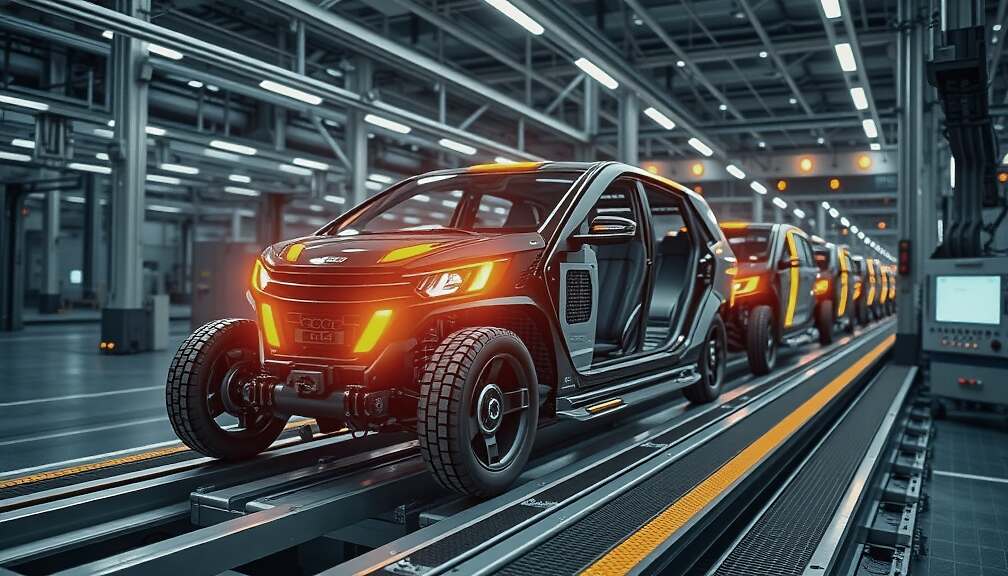
The corporation aims to implement a building block system where components such as the front, rear, side, and body panels are broken down into separate, interchangeable modules. This approach would allow parts to be manufactured according to the specific size requirements of the vehicle. By adopting this highly modular and scalable methodology, Mercedes could eventually eliminate the need for distinct platforms for various vehicle sizes. Consequently, management is referring to this concept as “Tech-Stacks” for the future generation of cars. While Mercedes confirmed to the paper that it is working on a “very ambitious future plan,” it offered no specifics.
The primary objectives of this strategic shift are to lower costs, boost efficiency, and speed up production. Mercedes’ approach aligns with those of competitors, including the US manufacturer Tesla and Chinese automakers, who utilize similar concepts. Furthermore, Stellantis, the parent company of Opel, is pursuing a unified platform capable of producing various sized vehicles and those with diverse powertrains. Currently, Mercedes relies on multiple separate platforms for its production.