Chancellor Friedrich Merz of the Christian Democratic Union (CDU) has lauded the security guarantees offered by the United States to Ukraine in the event of a ceasefire, signaling a potential shift in the ongoing conflict resolution efforts. Speaking on the sidelines of Ukraine-related discussions held at the Chancellery on Monday, Merz described the US proposals as “remarkable” characterizing them as “a crucial advancement” deserving of considerable welcome and a significant step toward a viable peace process.
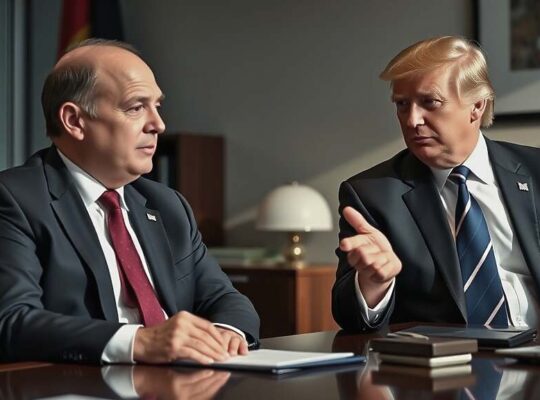
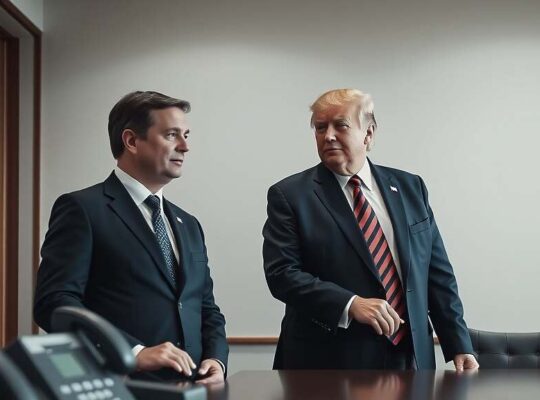
The negotiations, reportedly intensive and held in confidence between Ukrainian, American and European representatives, have been significantly shaped by the involvement of US negotiators Steven Witkoff and Jared Kushner. Merz explicitly credited their tireless efforts and the commitment of former US President Donald Trump for the positive momentum he claims to be currently unfolding. The Chancellor’s public acknowledgement of Trump’s role, particularly given recent political tensions, has raised eyebrows and may be interpreted as an overture to a potential resurgence of influence within US foreign policy.
While expressing optimism, Merz underscored that a definitive solution remains contingent on resolving complex territorial disputes. He stressed that any agreement regarding Ukraine’s borders can only come from the Ukrainian people and their elected leadership, indicating a cautious approach to imposing external solutions. While describing progress towards “a shared negotiating position” he remained deliberately vague on the specific areas of compromise.
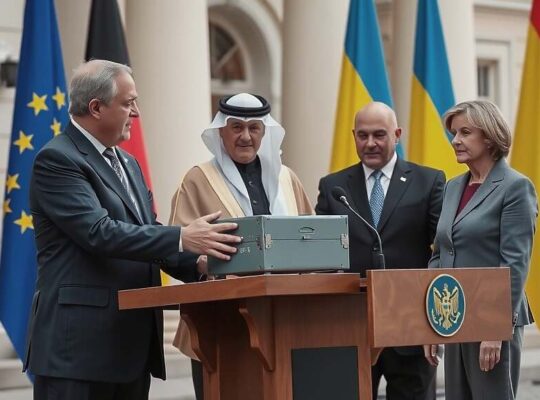
The Chancellor further announced plans to advocate within the European Council on Thursday for the appropriation of frozen Russian assets to assist Ukraine. Acknowledging concerns voiced by nations like Belgium regarding the implications of such action, Merz assured that these “legitimate concerns” would be taken into account. This move, however, is likely to reignite debate surrounding the legality and potential repercussions of seizing assets and could draw criticism from within Europe and internationally.
The reliance on US involvement, particularly praising figures tied to a previous administration, has sparked questions within Germany regarding the degree of German agency in shaping a resolution and whether a significant shift towards a US-led negotiation strategy is underway. The success of these efforts and the trajectory of Ukraine’s future, now appear inextricably linked to the dynamics of transatlantic political alignments.