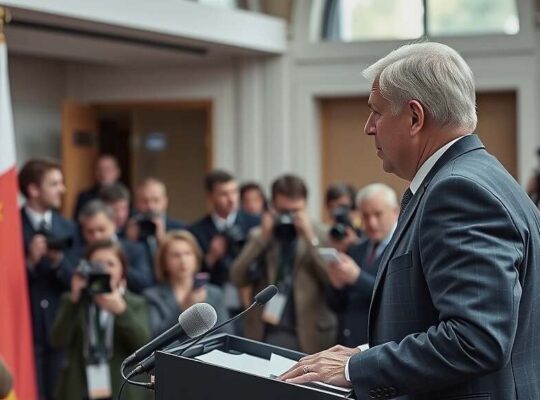
Berlin – Chancellor Friedrich Merz of the Christian Democratic Union (CDU) has reportedly demanded detailed briefings from Ukrainian President Volodymyr Zelenskyy regarding his planned meeting with former U.S. President Donald Trump. The unusual request underscores growing unease within European political circles concerning the potential impact of Trump’s involvement in Ukrainian peace negotiations.
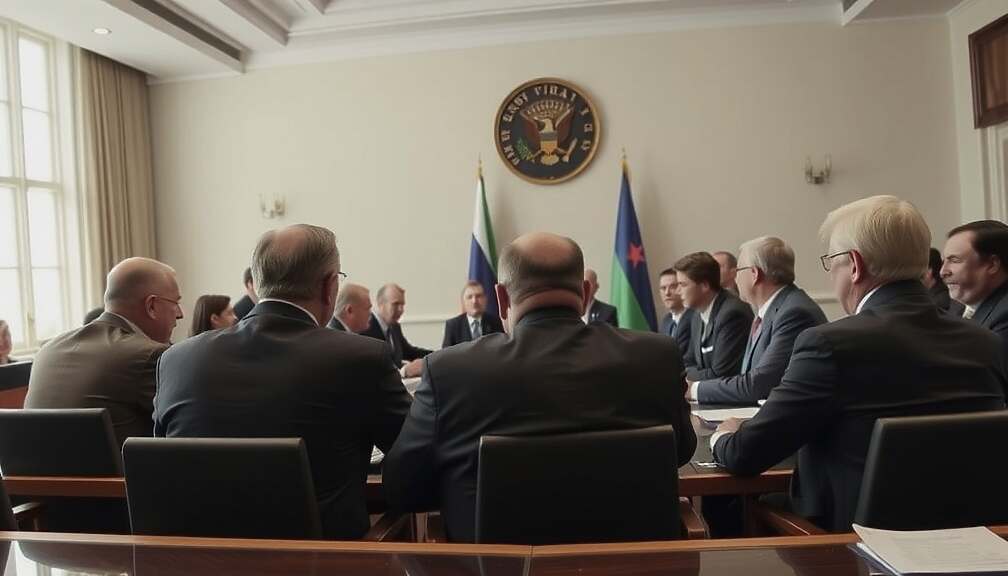
According to a statement released by government spokesperson Stefan Kornelius, the briefing was initiated at Chancellor Merz’s behest. Zelenskyy, currently en route to the United States, convened a virtual meeting on Saturday evening with a group of eleven European and Canadian heads of state, along with representatives from the EU and NATO, to inform them of his upcoming discussions with Trump. This “Berlin Group” as it’s known, pledged continued full support for Ukraine and emphasized the importance of coordinated efforts with the United States to achieve a lasting and just peace. Specific details of the discussion remain undisclosed.
Zelenskyy is scheduled to meet with Trump on Sunday at his Mar-a-Lago estate in Florida. The talks are expected to focus on a revised version of a U.S. plan aimed at ending the war in Ukraine. Prior to the Florida meeting, Zelenskyy is making a stop in Canada.
Chancellor Merz’s insistence on pre-meeting clarity highlights concerns that Trump’s views on the conflict and any potential conditions he might propose, could undermine the unified front that has supported Ukraine since the Russian invasion. Critics argue that the inclusion of a figure known for his isolationist tendencies and skepticism of international alliances demands a level of transparency previously unseen in these diplomatic engagements.
The Berlin Group’s statement, while reaffirming support, avoided explicit endorsement of Trump’s role, suggesting a cautious approach to the situation. The lack of detail surrounding the revised U.S. plan also fuels speculation about potential shifts in strategy and raises questions about Zelenskyy’s willingness to negotiate under conditions that might not align with the traditionally stated goals of regaining all Ukrainian territory.
The meeting’s outcome will likely be a crucial barometer of the evolving dynamics between Ukraine, the United States and its European allies and potentially signals a shift in the geopolitical landscape surrounding the conflict.