Merz Signals Optimism on Russian Assets, Mercosur Deal
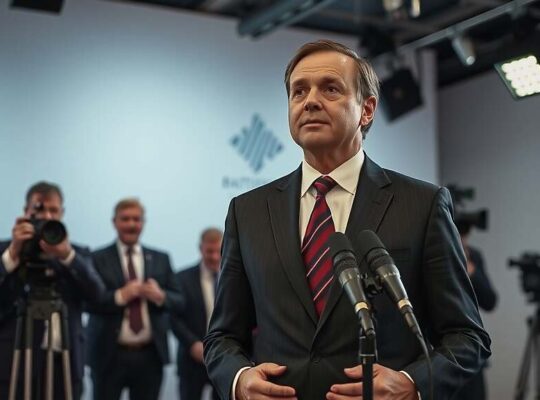
German Chancellor Friedrich Merz of the Christian Democratic Union (CDU) expressed cautious optimism Thursday regarding a potential agreement at the final EU summit of the year in Brussels, specifically concerning the utilization of frozen Russian assets to aid Ukraine.. Arriving at the summit location, Merz indicated a possible breakthrough, stating he saw “no better option” than utilizing these assets and believed a consensus could be reached.
However, the path to agreement remains fraught with challenges. Merz acknowledged the concerns voiced by several member states, particularly highlighting the reservations of the Belgian government – a critical factor given Belgium’s role as the host nation and custodian of many of the frozen assets. The delicate nature of these concerns underscores the inherent political complexities surrounding the proposal, which has been met with resistance due to legal and jurisdictional ambiguities. Several legal experts have previously cautioned against unilateral action, raising the specter of protracted legal battles and potential repercussions for the EU’s own financial stability.
Beyond the Ukrainian aid package, the summit will also grapple with the long-stalled Mercosur trade agreement with South American nations. Merz emphasized the urgency of finalizing the agreement, a process that has dragged on for an astonishing 25 years. He argued that a decisive resolution is essential for the EU to maintain credibility as a global trade power. “If the European Union wants to remain credible in global trade policy, decisions must be made now” he asserted, suggesting that the agreement should be ratified and Commission President and Council President dispatched to South America to formally sign the deal.
While expressing confidence, Merz conceded that significant debate remains ahead within the European Council, reflecting the deeply entrenched and often conflicting interests across the member states regarding both issues. The summit’s outcome will be a significant test of the EU’s capacity to act decisively in the face of geopolitical pressure and economic imperatives, potentially revealing deep fissures within the bloc’s unified front. The commitment from a key figure like Merz, however, suggests a concentrated effort to overcome these obstacles and forge a unified position.