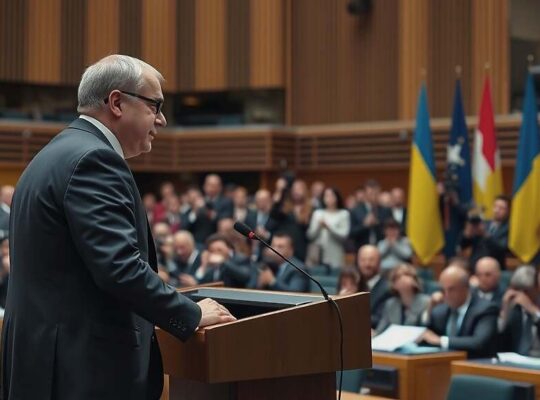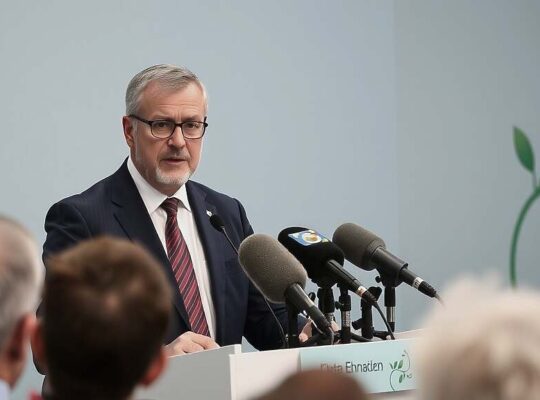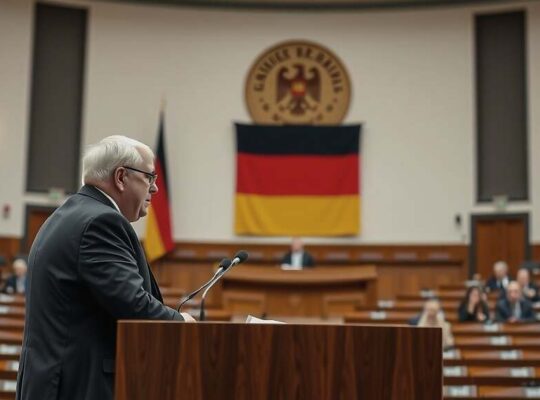
Chancellor Friedrich Merz of the Christian Democratic Union (CDU) has intensified calls for European involvement in the ongoing peace process for Ukraine, asserting that any negotiated solution must safeguard European security interests while preserving the unity of the European Union and NATO. Speaking at a meeting with NATO Secretary General Mark Rutte, Merz stressed the imperative of ensuring a “peace not imposed over our heads” highlighting concerns that a resolution dictated without adequate European representation could undermine both the EU’s cohesion and NATO’s strategic posture.
Merz’s statement reflects a growing debate within European political circles regarding the appropriate level and nature of engagement in shaping Ukraine’s future. While acknowledging that ultimate decisions regarding territorial concessions rest solely with Kyiv, the Chancellor cautioned against prematurely pressuring Ukrainian President Zelenskyy into accepting a settlement deemed unsustainable by the Ukrainian populace after years of devastating conflict. He emphasized the critical need to respect Ukrainian agency and avoid a scenario where a peace deal sparks further instability or resentment.
Rutte lauded Germany’s commitment and contributions, specifically praising the nation’s leadership role and signaling a broader European willingness to assume greater responsibility in the current crisis. He particularly pointed to the significant contribution of German forces, which currently form the backbone of NATO’s forward-deployed land forces in Lithuania and provide crucial manpower and equipment to the Alliance’s Eastern Flank. Rutte’s positive assessment of Germany’s actions serves as a subtle endorsement of Merz’s call for deepened European involvement, potentially acting as leverage in ongoing debates amongst member states regarding the extent and scope of such participation.
However, the insistence on European involvement has also drawn scrutiny. Critics argue that prioritizing European interests could inadvertently complicate negotiations and potentially dilute the focus on Ukraine’s objectives, raising questions about the balance between advocating for Ukrainian sovereignty and safeguarding European strategic goals. The delicate navigation of these competing priorities is set to remain a key challenge in the weeks and months ahead as diplomatic efforts to forge a lasting peace in Ukraine continue.