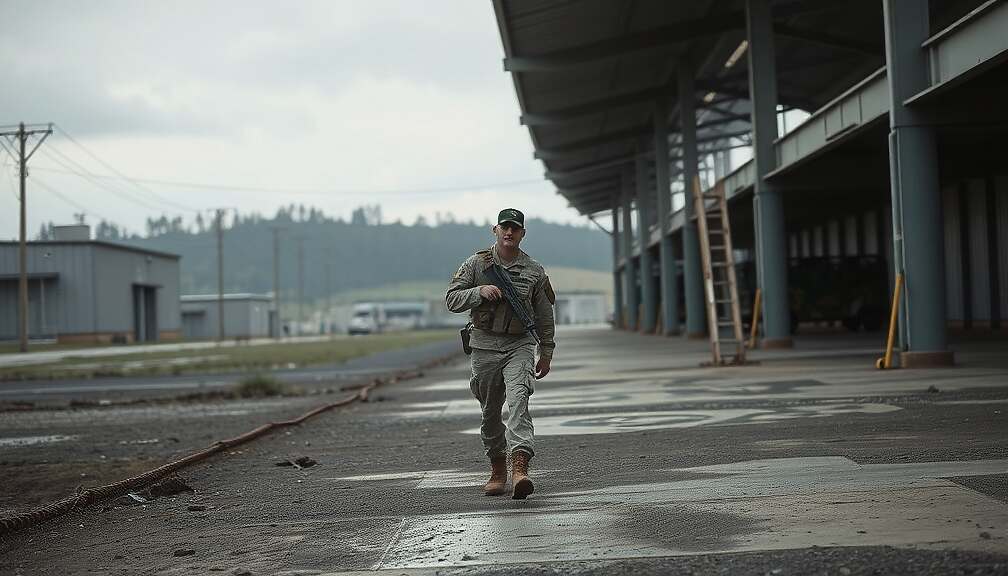
The German parliament’s military commissioner, Henning Otte, is escalating calls for a more robust response to incidents of sexual harassment and assault within the Bundeswehr, Germany’s armed forces. His remarks, delivered to “Focus” magazine, come against a backdrop of ongoing investigations into alleged misconduct within the elite airborne troops, highlighting a systemic concern that continues to plague the institution.
Otte emphasized unequivocally that individuals who violate the dignity of others have no place within the Bundeswehr. He stressed that each reported incident, regardless of severity, represents a failure, underscoring the necessity of a cultural shift focused on respect, dignity and safety for all personnel. Crucially, he insisted that victims require reassurance that their experiences will be taken seriously, free from stigma or abandonment by the military structure. Accountability, he stated, demands thorough investigation and appropriate sanctions for all instances of sexualized misconduct.
A significant point of contention for Otte is the protracted delay in the release of a comprehensive study examining the prevalence of sexual offenses within the Bundeswehr. Originally commissioned over a year ago following recommendations from his predecessor, the so-called “dark figure study” remains conspicuously absent. He argues that this critical analysis is fundamental to developing targeted and effective preventative measures.
While acknowledging a rise in reported cases, likely attributable to increased awareness and enhanced transparency within the ranks, Otte voiced concern about a significant “dark figure” – the unrecorded number of incidents remaining hidden. This suggests that the current reporting mechanisms, while improved, are still not capturing the full extent of the problem. This underscores the urgency of the missing study and raises questions about the Bundeswehr’s ability to truly address the underlying culture that allows such behavior to persist. The delay, critics suggest, points to a reluctance within the Ministry of Defense to confront the issue’s uncomfortable realities and implement lasting reforms.