Infrastructure Preparedness Faces Scrutiny as Winter Approaches
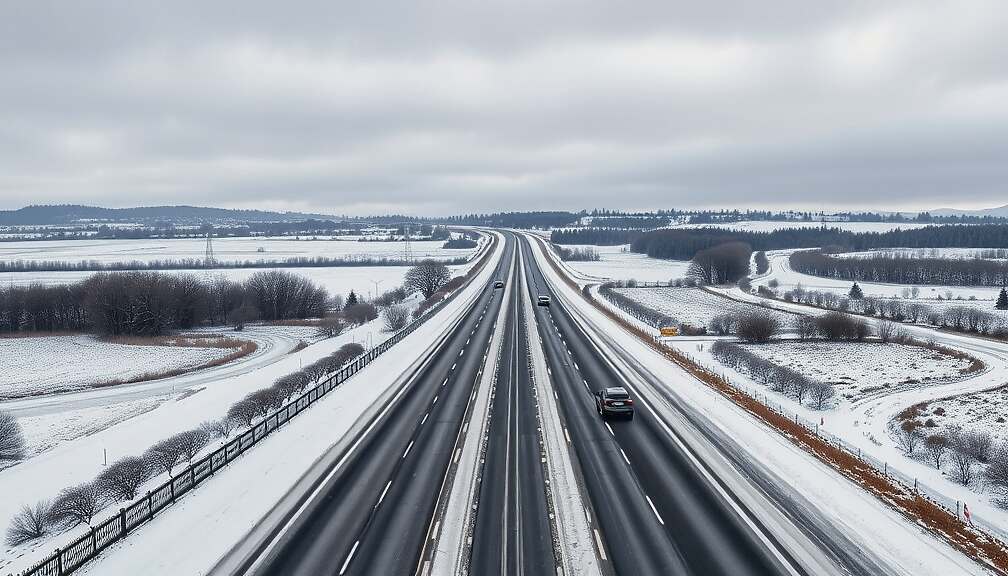
Germany’s Autobahn GmbH, the federal agency responsible for the nation’s extensive highway network, asserts it is adequately prepared for the impending winter season. According to statements released to the “Rheinische Post”, salt storage facilities across the Autobahnmeistereien (highway maintenance depots) are currently stocked at approximately 80% capacity and a nationwide supply of de-icing salt is considered secured. Officials maintain that existing storage capacity is designed to handle a “normal” winter scenario, with contingency plans in place to replenish supplies should extreme weather conditions necessitate.
While the assurances aim to reassure the public, the reliance on a “normal” winter baseline raises questions given the increasingly unpredictable climate patterns impacting Germany. Critics argue that prioritizing logistical preparedness for anticipated conditions risks leaving infrastructure vulnerable to the potentially more severe and frequent extreme weather events increasingly predicted by climate models. The emphasis on replenishing supplies “after” an unusual event also suggests a reactive, rather than proactive, approach to infrastructure management.
The Autobahn GmbH’s acknowledgment that a completely snow-free road surface cannot be guaranteed underscores a crucial point: even with robust preparation, the limitations of infrastructure resilience in the face of volatile weather remain. Consequently, the agency is placing significant responsibility on drivers to adjust their driving behavior accordingly. This shifting of onus onto individual road users, however, has drawn concern from advocacy groups who suggest it deflects from a deeper examination of preventative measures and potential upgrades to winter weather mitigation systems.
The coming months will likely serve as a crucial test not only of the Autobahn GmbH’s logistical readiness, but also of the broader adaptability of Germany’s infrastructure planning strategies in an era of accelerating climate change.