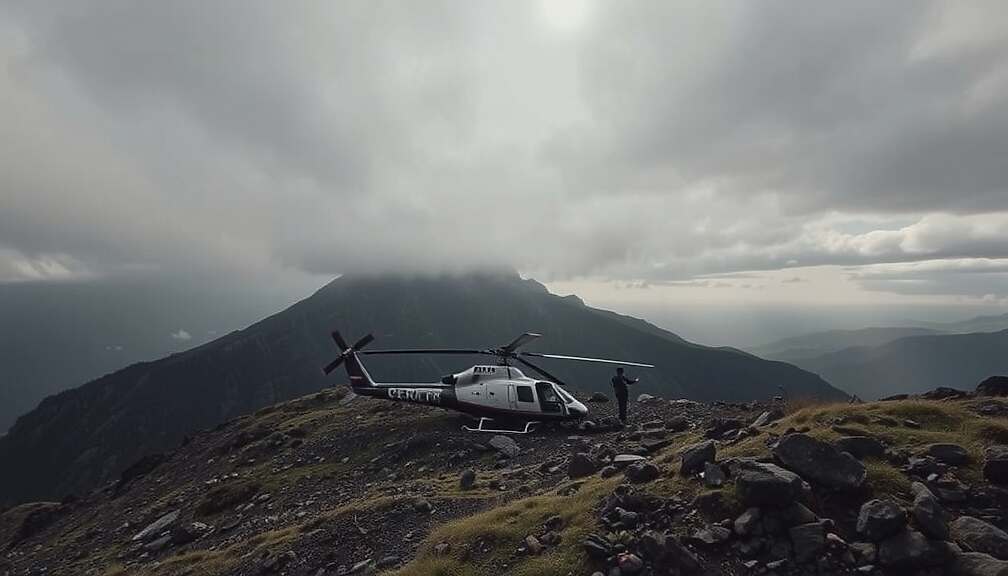
A fatal helicopter crash on the slopes of Mount Kilimanjaro has sparked questions regarding safety protocols and the increasing commercialization of Tanzania’s iconic peak. Five individuals perished Wednesday when a KilimedAir helicopter went down near the Barafu Camp, situated at an altitude of approximately 4,700 meters (15,400 feet).
The Tanzanian Civil Aviation Authority confirmed the incident, reporting that the helicopter experienced a sudden failure shortly after taking off from a designated landing area. Witnesses described a rapid descent, leaving little time for any evasive maneuver. Among the deceased were the pilot, a rescue worker, two passengers and a mountain guide – highlighting the diverse roles involved in Kilimanjaro’s climbing infrastructure.
While investigations are underway to determine the precise cause of the accident, the incident has reignited concerns surrounding the rapid expansion of aerial rescue and transport services catering to the burgeoning tourism industry on the mountain. KilimedAir, a prominent player in this market, has faced scrutiny in the past regarding the maintenance and operation standards of its fleet, although no prior formal disciplinary actions have been publicly documented.
Political reactions have been muted, although opposition parties are seizing on the tragedy to criticize what they perceive as a lack of rigorous oversight within the aviation sector. They argue that the relentless push for increased tourism revenue has potentially compromised safety, pushing operators to prioritize speed and cost-effectiveness over preventative measures.
The incident also underscores the inherent risks of operating helicopters at high altitudes in challenging mountainous terrain. While air rescue services provide a vital lifeline for climbers facing emergencies, their presence has intensified the debate about the environmental impact and the sustainability of the current climbing model on Kilimanjaro. Further investigations are expected to shed light on the operational conditions and potential contributing factors to this devastating loss of life.