Growing Strain on Emergency Services Sparks Debate Over Mountain Safety and Financial Responsibility
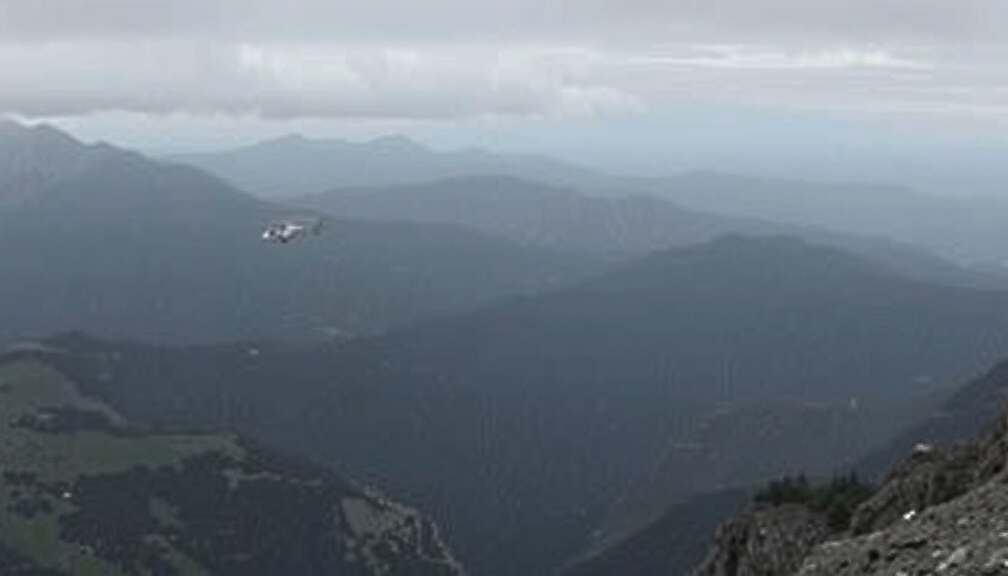
The head of DRF Luftrettung, Krystian Pracz, has issued a stark warning regarding the increasing recklessness of tourists venturing into Germany’s alpine regions, simultaneously proposing a system of greater financial responsibility for those requiring rescue. Pracz’s statements, released to the Funke-Mediengruppe newspapers, highlight a concerning trend of inexperienced individuals undertaking increasingly perilous activities, from glacier crossings to challenging climbs, demonstrably underestimating the inherent risks of the environment.
The current system, largely reliant on the insurance coverage provided to members of alpine clubs, shields many from the financial repercussions of rescue operations. Pracz argues that this effectively absolves individuals of accountability for their negligent actions. “People must assume responsibility – financially as well – for their carelessness in the mountains” he asserted. This sentiment comes amid a notable surge in callouts for mountain rescues, placing increasing strain on DRF Luftrettung, Germany’s second-largest non-commercial air rescue organization.
While acknowledging the potential benefits of restricting access to particularly difficult routes and via ferrata, Pracz dismissed the idea as a superficial solution. He believes such measures would do little to deter those unprepared and determined to push their limits. “I don’t believe in that at all. Anyone poorly prepared wouldn’t be deterred by artificial obstacles” he explained. Instead, Pracz stressed the vital need for greater awareness and a fundamental shift in personal responsibility amongst mountain users.
The comments reflect a broader political and societal debate regarding individual accountability versus state support. Critics argue that the current system inadvertently encourages risky behavior by removing the direct financial consequence of potentially costly rescue operations, fostering a sense of entitlement rather than promoting responsible mountain exploration. A move towards greater financial contribution, proponents suggest, could act as a deterrent, prompting individuals to better assess their capabilities and equip themselves appropriately. However, opponents worry that such a system could disproportionately impact less affluent tourists, potentially limiting access to the mountains and hindering the vital role of emergency services. The proposal is thus likely to generate considerable political discussion and debate moving forward, particularly as resource pressures on mountain rescue organizations continue to intensify.