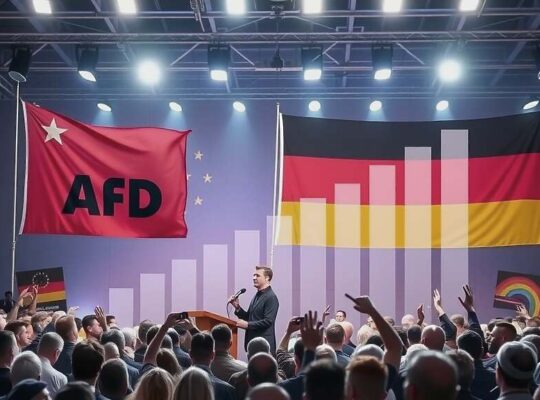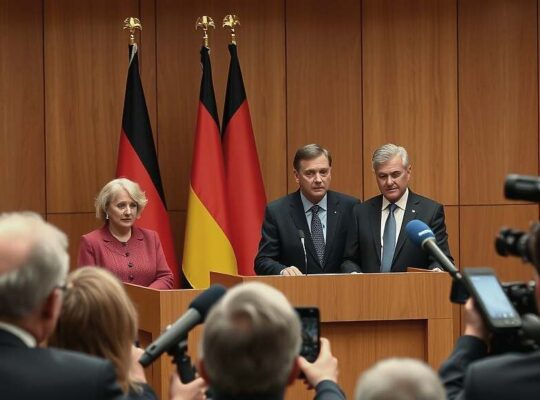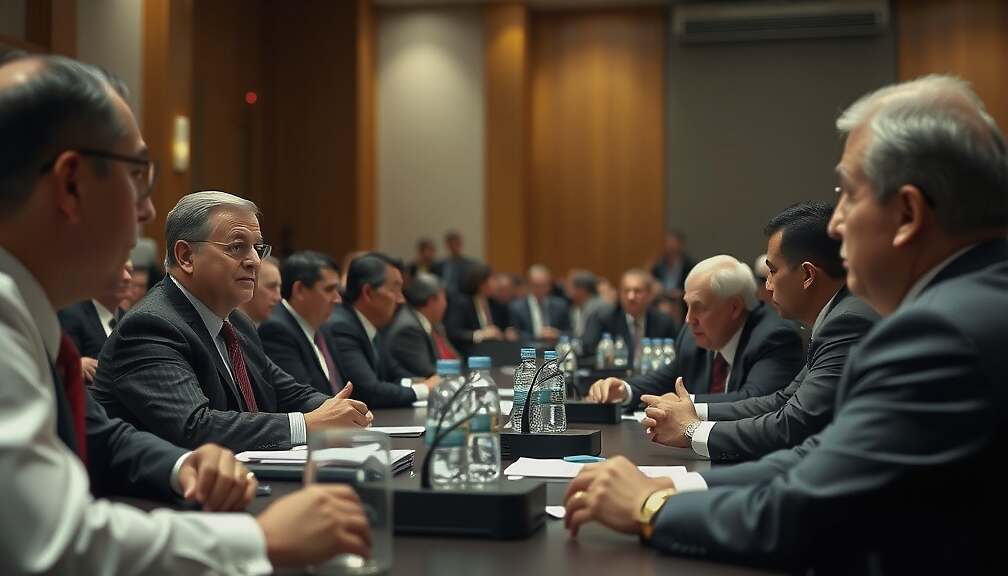
The Munich Security Conference (MSC) has ignited a fierce debate following the announcement that AfD politicians will be invited to the next gathering in February 2026, marking a return to a practice halted two years prior. Wolfgang Ischinger, the conference’s current chairman, has staunchly defended the decision, framing it as essential to the conference’s character as a platform for diverse and often opposing viewpoints.
Speaking to the Frankfurter Allgemeine Zeitung, Ischinger emphasized that the MSC’s foundation rests on presenting a broad spectrum of opinions, even those deemed controversial. He rejected accusations that the inclusion of AfD representatives diminishes crucial democratic safeguards, arguing that the “firewall” intended to prevent the party’s participation in government remains intact. “Inviting AfD politicians doesn’t dismantle that firewall; it’s a separate matter” he stated, shifting the onus to political actors to ensure the party’s diminished presence in the Bundestag.
Despite the invitations, Ischinger clarified that AfD politicians will not be given prominent speaking slots at the conference. Instead, they are being invited as individual specialists from relevant parliamentary committees, a return to a previous format. This carefully circumscribed participation aims to manage criticism and perceptions of legitimizing the party’s increasingly nationalistic and, in some quarters, extremist views.
The decision, however, faces significant scrutiny. Ischinger himself minced no words in condemning the AfD’s stance on Russia, asserting it is widely rejected by security policy experts and the broader German public. He specifically criticized the party’s positions on the war in Ukraine, labeling them as “incorrect and contrary to German interests.
The move has raised questions about the MSC’s commitment to its own stated values. Critics argue that providing a platform, even a limited one, to a party characterized by anti-immigrant rhetoric, skepticism towards European integration and alignment with authoritarian regimes risks normalizing its views and contributing to the mainstreaming of far-right ideologies. While Ischinger insists the invitation is intended to foster dialogue and understanding, the potential for the conference to be perceived as tolerating views fundamentally at odds with Germany’s democratic principles remains a sharp point of contention. The forthcoming conference is certain to be shadowed by this controversy, forcing the MSC to navigate a complex and potentially perilous political landscape.