Escalating Tensions: NATO Considers Enhanced Arctic Surveillance Amidst Trump Era Precedent
A growing number of Northern European NATO member states, alongside the United Kingdom, are pushing for the implementation of a new surveillance initiative in the Arctic region, according to sources familiar with discussions at the North Atlantic Council. The request, formally directed to NATO Secretary General Mark Rutte during Thursday’s session, signals a marked shift in strategic posture within the alliance and underscores anxieties surrounding escalating geopolitical competition in the High North.
The proposal, revealed by the Frankfurter Allgemeine Zeitung, tasks Rutte with evaluating the feasibility of the mission, alongside a comprehensive report detailing all existing Allied activities in the Arctic. This report is anticipated to be presented within the coming week, highlighting the urgency surrounding the matter.
The move is directly linked to recent events, specifically US President Donald Trump’s controversial proposal to acquire Greenland. While the overture was dismissed as unrealistic, it served as a stark reminder of the potential for aggressive territorial maneuvering and the vulnerability of Arctic territories to political leverage. European nations and Canada are reportedly seeking to send a clear message – that any attempt at territorial encroachment against an alliance member will be met with a firm and coordinated response.
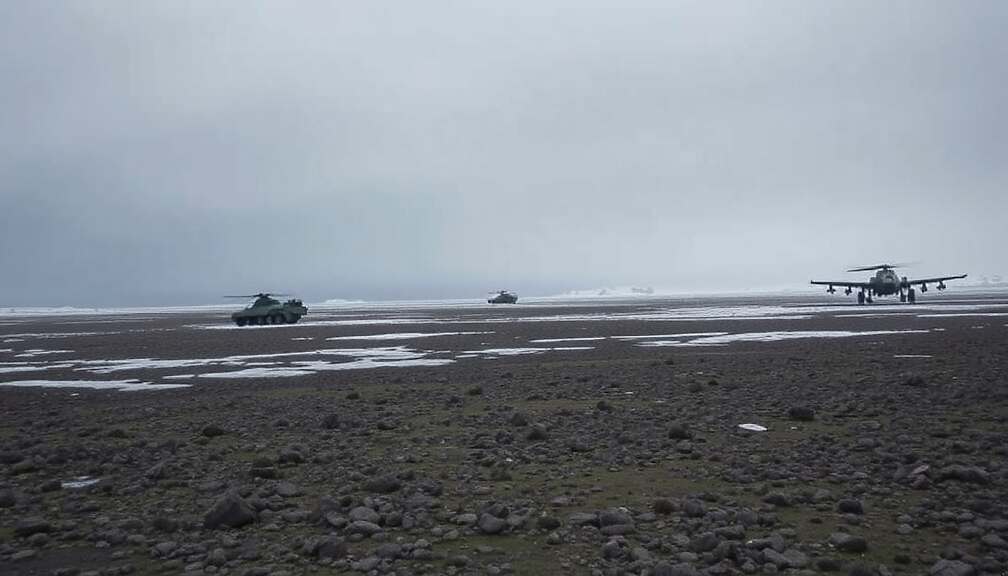
Observers suggest the proposed surveillance mission extends beyond a reactive measure. The Arctic is increasingly recognized as a strategically vital region, rich in resources and increasingly accessible due to climate change. Russia has significantly bolstered its military presence and infrastructure in the Arctic, prompting concerns about its long-term intentions. While the specific details of the proposed surveillance initiative remain undisclosed, analysts believe it likely involves enhanced intelligence gathering, maritime patrol and potentially, the deployment of advanced sensor technologies.
However, the proposal also carries potential risks. Increased NATO presence in the Arctic could be interpreted by Russia as provocative, further escalating tensions and potentially triggering a new round of military posturing. Furthermore, the initiative raises complex questions about sovereignty and the balance between security concerns and environmental preservation within the fragile Arctic ecosystem. The upcoming report from Secretary General Rutte will be crucial in navigating these complexities and ensuring that any new NATO presence contributes to stability and predictability rather than escalating the already fraught geopolitical landscape of the Arctic.