The German government has confirmed that, as of Friday, there are no indications that German citizens have been harmed by Hurricane “Melissa” which has ravaged the Caribbean. A spokesperson for the Foreign Office in Berlin stated, responding to inquiries from the dts news agency, that authorities currently lack any information suggesting German nationals were among the victims or injured. However, the spokesperson acknowledged that the overall situation remains fluid and unpredictable.
Jamaica has formally issued an international appeal for assistance, outlining anticipated needs for essential relief supplies. The German government, through the Federal Agency for Technical Relief (THW), is preparing potential offers of aid. However, spokesperson emphasized that these offers typically require precise and detailed acceptance by the Jamaican government, a process vital for the provision of effective support. Similar requests for international assistance have been received from the Bahamas and are presently under review by Berlin.
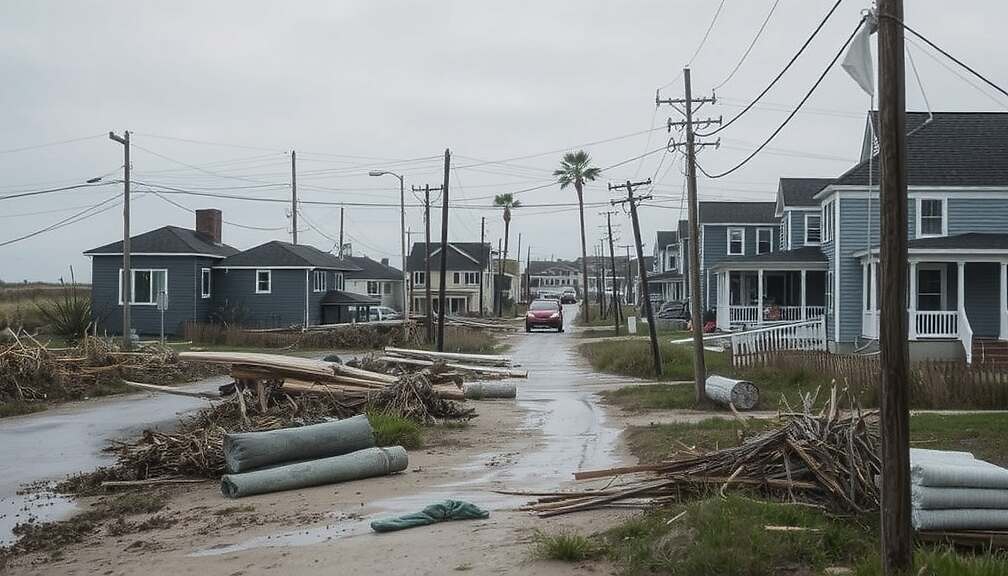
Hurricane “Melissa” described by some meteorological experts as a “century storm” made landfall in Jamaica on Tuesday afternoon (local time) as a Category 5 hurricane-the highest classification-and unleashed devastating force upon the island nation. The storm’s exceptionally low atmospheric pressure of just 892 millibars, lower than that recorded during Hurricane Katrina in 2005, significantly exacerbated its destructive potential. This low pressure generates stronger winds as air rapidly rushes inward and upward, contributing to sustained wind speeds observed within the storm’s core reaching up to 300 kilometers per hour.
Official reports indicate at least 19 fatalities on Jamaica, with a further 30 deaths confirmed in Haiti and one in the Dominican Republic. The overall death toll is almost certain to climb as rescue and assessment efforts continue. While initial reports from Cuba indicated no fatalities, more than 700,000 residents were evacuated as a preventative measure.
The swiftness and severity of the response from the German government, while appearing proactive, raises questions about the broader geopolitical implications of providing humanitarian aid. Critics suggest that the reliance on detailed acceptance of offers, while intended to ensure efficiency, could inadvertently delay crucial assistance and reflects a bureaucratic approach to a catastrophic humanitarian crisis. Furthermore, the focus on quantifiable needs and formal requests risks overlooking the long-term recovery needs of affected communities, potentially failing to address underlying vulnerabilities exposed by the storm’s impact. The situation underscores the challenges of coordinating international aid in the face of increasingly powerful and frequent extreme weather events, likely linked to climate change.