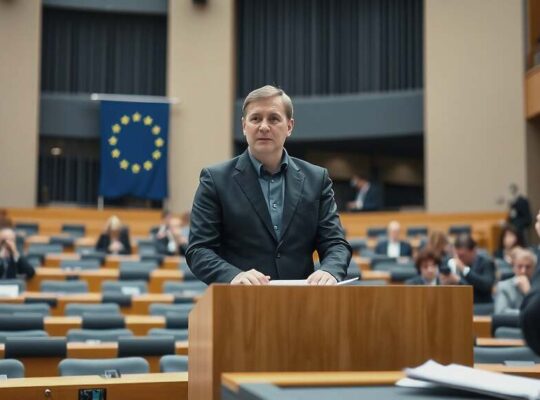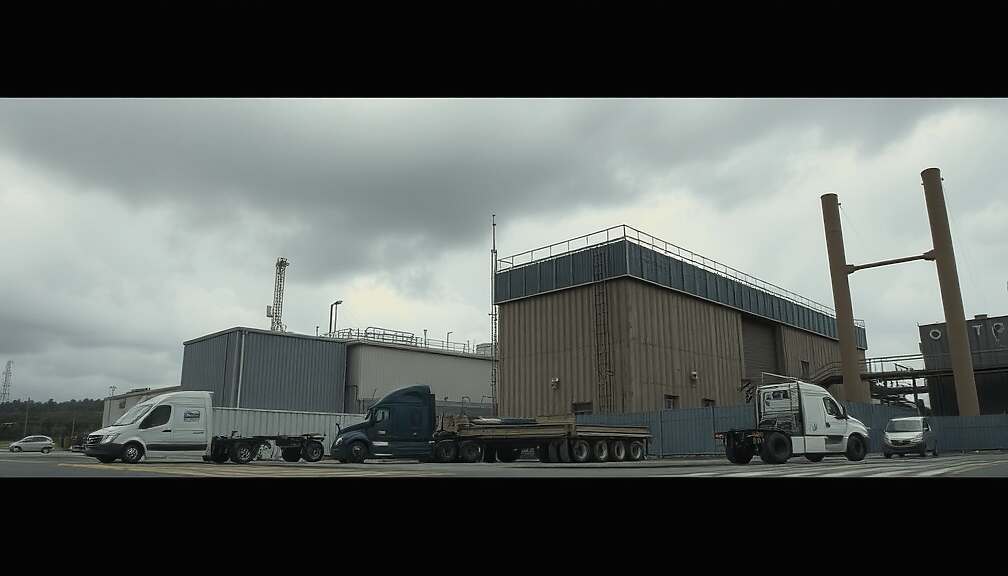
A renewed push for discussions regarding the potential reactivation of the damaged Nord Stream pipelines is drawing sharp criticism from Eon CEO Leonhard Birnbaum, who argues the issue transcends German national interests and demands a broader European perspective. In an interview with the “Rheinische Post” Birnbaum cautioned against pursuing energy deals with Russia that bypass neighboring countries, highlighting the Kremlin’s ongoing war and its inherent unreliability as a supplier.
“This is not a German question, but a European one” Birnbaum stated, signaling a potential divergence within German political circles currently debating various energy strategies. The remarks reflect growing unease amongst some industry leaders regarding the potential for a return to pre-war energy dependence on Russia, despite the devastating impact of last year’s explosions that crippled the Nord Stream 1 infrastructure.
Birnbaum further emphasized the technical realities impacting the pipeline’s viability, asserting that “the Nord Stream 1 pipelines are currently not functional, with the explosion sites filled with seawater”. This assessment underscores the significant, potentially insurmountable, challenges associated with any future reactivation attempts.
Beyond the Nord Stream debate, Birnbaum has raised alarm bells about the increasing presence of drones over critical German infrastructure, drawing a direct parallel to Russia’s systematic targeting of Ukrainian infrastructure. “Russia is deliberately attacking infrastructure in Ukraine because it is crucial for the functioning of societies and therefore a very vulnerable point” he explained. He cautioned that the tolerance of unidentified drones operating over airports and power plants must be critically reevaluated, echoing concerns about the potential for similar disruptive and destructive actions within Germany.
The Eon CEO’s intervention carries particular weight given Eon’s stake in the Nord Stream 1 operating company. His commentary represents a substantial challenge to any political momentum towards revisiting reliance on Russian energy and underscores the urgent need for a unified European strategy focused on bolstering energy security and safeguarding vital infrastructure against evolving threats. The situation provokes crucial questions about Germany’s post-war energy policy and the balance between economic considerations and national security.