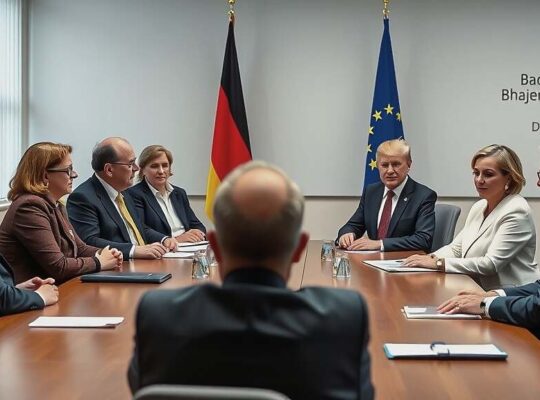
North Rhine-Westphalia’s Interior Minister Herbert Reul is pushing for significant relief for the state’s police force, suggesting a reassessment of their responsibilities and a potential reduction in workload. In an interview with the Neue Ruhr/Rhein Zeitung (NRZ), Reul signaled a willingness to reconsider which incidents necessitate official police involvement, sparking a debate with potentially far-reaching consequences for law enforcement and public safety.
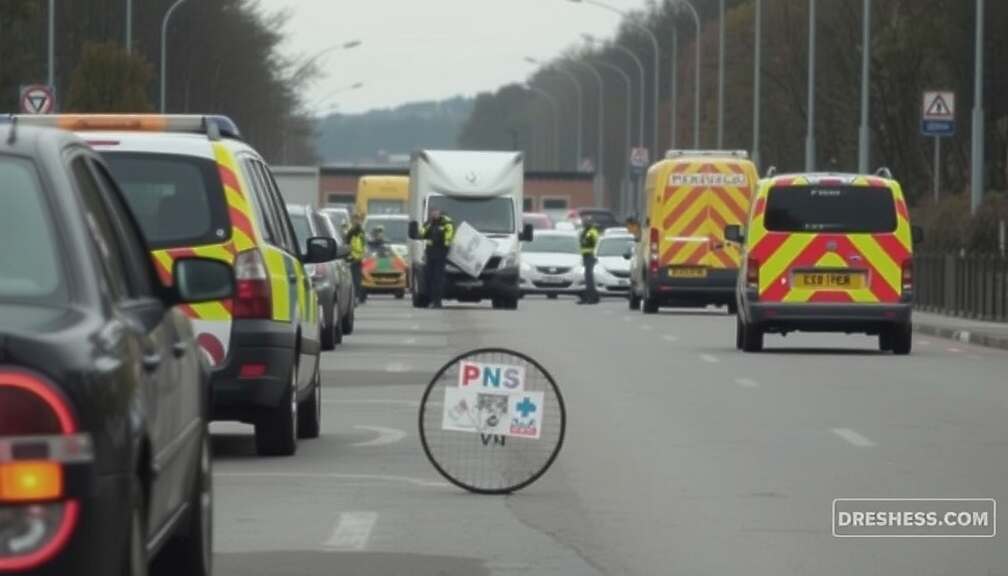
Reul emphasized the imperative to alleviate the pressure on officers, raising the question of whether the scope of their duties could be narrowed. He specifically criticized the continued practice of police escorts for heavy goods vehicles, a task he deemed could be effectively outsourced to private companies despite previous policy decisions to end the practice. Furthermore, Reul questioned the necessity of police recording for every traffic incident, hinting at a broader review of resource allocation.
While the Police Union (GdP) generally welcomed the initiated discussion, they also expressed reservations and cautioned against hasty changes. Patrick Schlüter, the GdP’s state chairman, acknowledged the need for simplification and modernization, pointing to outdated procedures within North Rhine-Westphalia. He noted that the state’s accident reporting protocols appear largely unchanged for three decades, lagging behind advancements implemented in other federal states like Bavaria, Hesse and Bremen.
Schlüter advocated for the adoption of technology-based solutions, highlighting the potential for utilizing mobile applications to significantly reduce the administrative burden associated with accident reporting. He specifically challenged the current requirement for police intervention in single-vehicle accidents, such as cyclists sustaining minor injuries, questioning the proportionality of the response. “The question is whether this is truly necessary” Schlüter asserted.
The proposals, while aimed at alleviating officer burnout and freeing up resources, are likely to draw scrutiny. Critics will question whether reducing police presence at traffic incidents, even minor ones, could impact data collection on road safety trends and potentially lead to a decrease in the investigation of more serious underlying issues. The debate highlights a growing tension between the need to modernize police operations, address staffing shortages and maintain public trust in law enforcement, forcing policymakers to carefully balance efficiency with the principles of accountability and comprehensive service delivery.