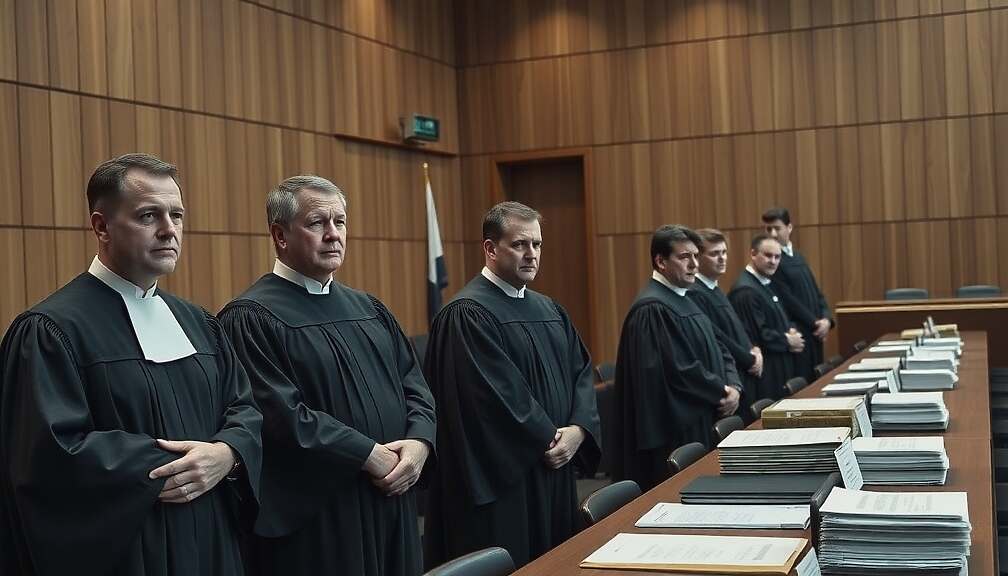
The German Judges Association (Deutscher Richterbund, DRB) has sounded the alarm over new record figures in ongoing criminal proceedings. In 2025, the DRB’s federal director, Sven Rebehn, reported that prosecutors were dealing with about 5.5 million new criminal cases for the third year in a row, and for the first time the total number of open cases at year‑end 2025 exceeded one million.
Courts and prosecutorial offices are overloaded. Rebehn noted that in 2020 there were still roughly 700 000 open cases – an increase of almost 50 % in five years. In the most populous state, North Rhine‑Westphalia, nearly 284 000 unresolved cases have piled up. “Each year investigators find themselves facing a larger mountain of cases that they cannot clear without additional staff” he said.
A dangerous consequence of this backlog is the release of suspects from pre‑trial detention when deadlines can’t be met. In 2025, 50 serious suspects were freed nationwide because the proceedings had dragged on too long. These typically involve grave allegations such as homicide, rape or serious bodily harm – roughly one suspect per week, a figure Rebehn described as “far too high” and a wake‑up call for a better‑funded criminal justice system. “It shatters people’s sense of law when the judiciary can pursue prosecutions only as far as the budget allows” he warned.
Rebehn also highlighted the strain on administrative courts. The number of lawsuits challenging asylum decisions has risen sharply. The Federal Office for Migration and Refugees is processing those cases more quickly, which creates a surge of legal challenges that end up in court. “Over the past three years we’ve seen a more than double rise in case filings in asylum matters. In 2022 there were about 62 000 claims; last year that number exceeded 140 000 – an increase of roughly 80 000 cases, or 125 %” he explained. “The courts can only handle this with more judges, especially since asylum claims are supposed to be resolved within six months by policy”.
Rebehn urged the federal government-and especially the states-to finance additional positions. “There are still 2,000 prosecutors and criminal judges missing nationwide, and North Rhine‑Westphalia alone needs about 350 more prosecutors. A few hundred administrative judges are also missing across the country to manage the flood of asylum cases” he said.
He added that these staffing gaps can be resolved quickly if the planned funds in the federal‑state rule of law pact are released. “It isn’t a shortage of qualified applicants; it’s that some state finance ministers don’t see the urgency and have so far withheld money for extra posts” Rebehn criticised.