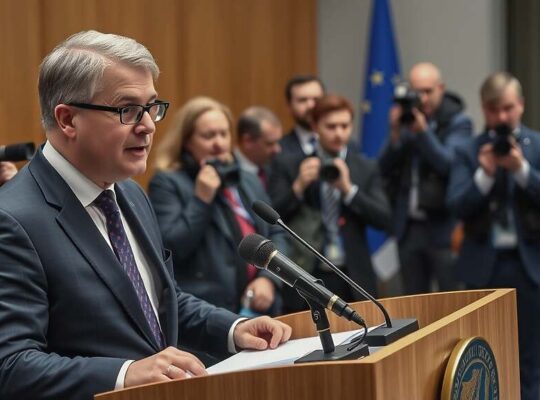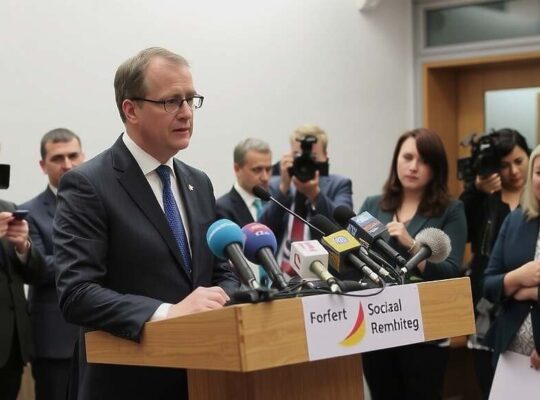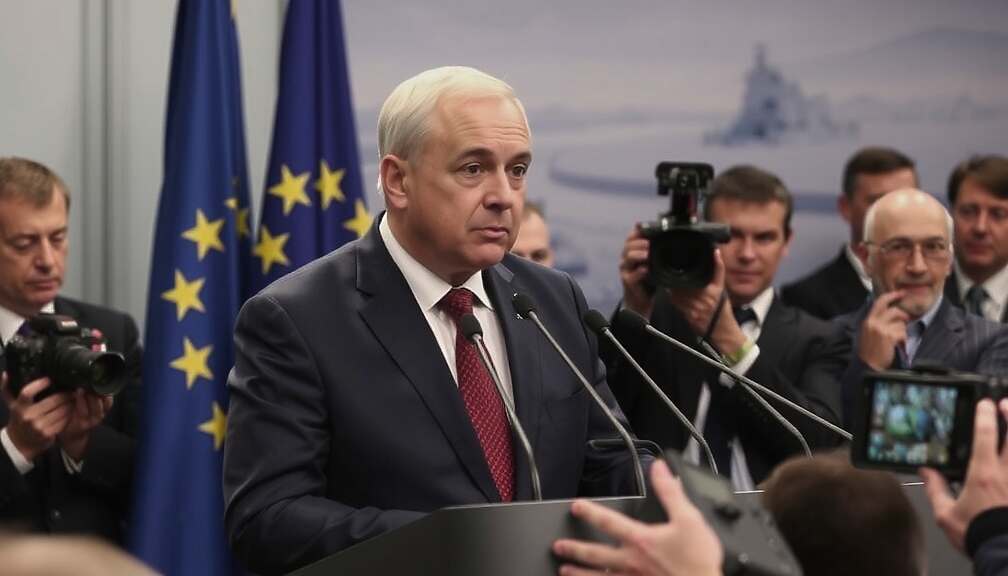
Boris Pistorius, Germany’s defence minister and member of the Social Democratic Party, said in an interview with the editor‑network of Germany that there is no guarantee that the Greenland crisis with Donald Trump can be overcome. He urged Europeans to be fearless in the face of the US president, adding that the situation is becoming increasingly unpreparable.
When asked whether the danger posed by Trump’s annexation plans for Greenland-following talks with NATO secretary‑general Mark Rutte-had been eliminated, Pistorius responded that we do not know. He added that a month ago hardly anyone could have imagined the US president considering military force over Greenland, and that the peculiar aspect of the Greenland‑Rutte agreement is simply that there is nothing to negotiate. The existing 1951 bilateral agreement between the United States and Denmark, which allows the US to rapidly deploy military personnel to Greenland, remains in force.
Pistorius said Europeans had already met Trump’s tariff threats and annexation plans with confidence, and that such a spirit should guide future actions. He criticised Trump’s strategy of sowing uncertainty and fear, noting that those who are frightened make poor decisions and should therefore not be intimidated.
The defence minister also expressed confidence that the United States would want Europe the way Europeans need it. He highlighted the Ramstein air base as the most important US airfield outside the United States and stressed that the US has a strong interest in maintaining a close partnership with Europe.
Pistorius denied any evidence that the United States intends to exit NATO, and affirmed that the NATO nuclear umbrella remains unchallenged in the new defence strategy. He warned that should Russia succeed in pushing the US out of Europe, Europe would fall under Russia’s sphere of influence and the US would find itself sandwiched between Russia and China-an outcome that would not serve either side’s interests.