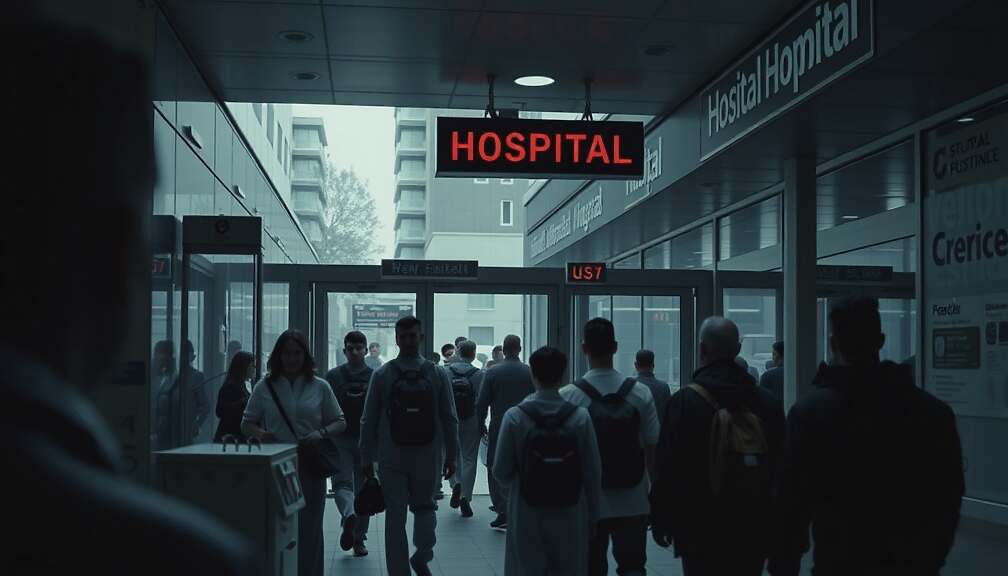
A fatal shooting incident at the University Hospital of Gießen on Friday afternoon has ignited a flurry of questions and concerns regarding police procedure and the handling of individuals experiencing mental health crises. According to authorities, officers responded to a distress call around 4:00 PM from hospital staff who reported a patient brandishing a pair of scissors and threatening individuals.
Upon arrival, officers encountered a 33-year-old male, visibly in a state of psychological distress. Initial reports indicate the man allegedly attacked the responding officers with the scissors, leading to a deadly use of force by police. The man was pronounced dead at the scene.
The incident has immediately drawn scrutiny from local political figures and mental health advocacy groups. While authorities have stated the investigation is ongoing and meticulously examining the circumstances surrounding the shooting, the reliance on lethal force in a healthcare setting has triggered immediate debate. Critics are questioning whether de-escalation techniques or alternative response strategies could have been employed, particularly given the apparent mental health crisis involved.
The Public Prosecutor’s Office in Gießen has ordered the seizure of the deceased’s body and an autopsy to determine the precise sequence of events. This autopsy will be crucial in establishing the details of the encounter and the legality of the officers’ actions. A full investigation is underway, with a focus on reconstructing the timeline and evaluating the decisions made by the responding officers.
The case is particularly sensitive given the vulnerability of individuals in mental health crises and the increasing calls for specialized mental health response teams to work alongside traditional law enforcement. This tragedy is now likely to fuel demands for a fundamental reassessment of how police interact with individuals experiencing psychological distress in public institutions and whether current protocols adequately prioritize alternatives to lethal intervention. The outcomes of the investigation are expected to have significant repercussions for police training and operational procedures within the region.