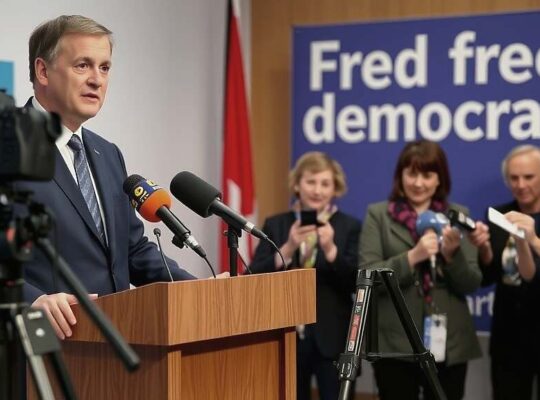
The German Red Cross (DRK) is reportedly considering a revival of mandatory civilian service, a move linked to the evolving security landscape, according to its newly appointed president, Hermann Gröhe. In an interview with the Frankfurter Allgemeine Zeitung, Gröhe, a former federal health minister, suggested that the current geopolitical climate necessitates re-evaluating options for alternative service, including for those seeking conscientious objection to military service. He emphasized that established welfare organizations possess the infrastructure and expertise to offer a diverse range of such programs, potentially bolstering civil protection efforts.
However, Gröhe harshly criticized the government’s current shortcomings in civic protection, encompassing both disaster relief and defense preparedness. He lamented the decade-long failure to fully fund ten “care modules” intended to provide autonomous emergency support for 5,000 people each. “The state must deliver” he asserted, demanding immediate investment of approximately €2.1 billion, followed by a further €1 billion annually, exemptions from Germany’s debt brake rules notwithstanding.
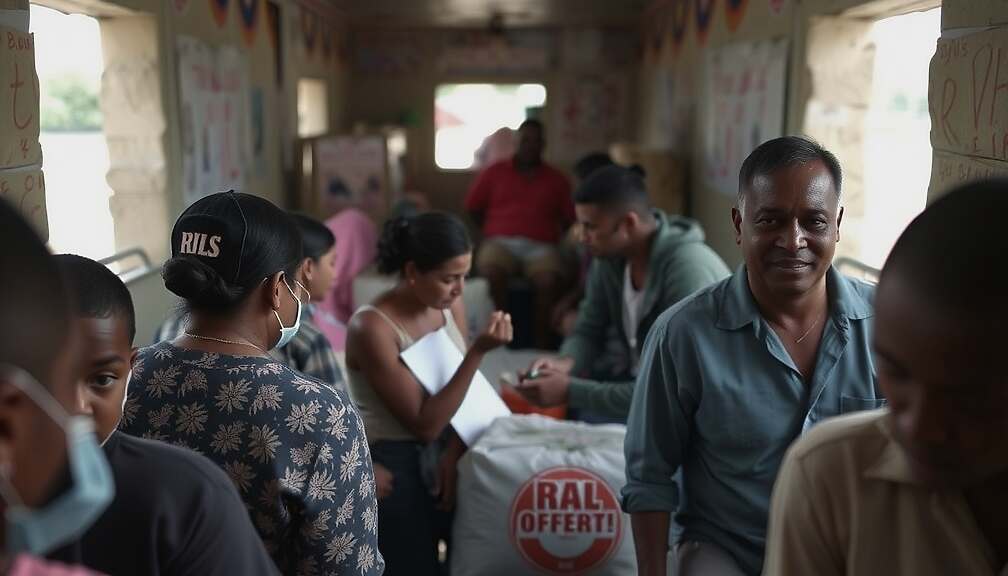
Beyond domestic concerns, Gröhe accused the ruling coalition of breaching its commitments regarding foreign aid. Instead of strengthening humanitarian assistance to crisis regions as pledged, budgetary allocations have been halved to €1 billion, a stark contrast to the required €3 billion needed, particularly for Sudan where 30 million out of 50 million citizens depend on humanitarian aid for survival. He acknowledged the recent delivery of aid to the Gaza Strip following the ceasefire, but underscored that the quantity remains insufficient and the ongoing destruction hampers distribution, leading to “horrific conditions” for the population.
The state of healthcare within Germany itself is also under intense scrutiny. Gröhe revealed that one in four DRK hospitals have filed for insolvency in recent months, leaving only 30 clinics remaining. The planned emergency reform by Health Minister Nina Warken (CDU) requires revision and he advocated for upfront funding for rescue services capable of handling large-scale incidents like mass casualty events. He strongly defended the “area exemption” allowing rescue services to be commissioned without tendering processes, warning that short-sighted economic considerations could prove costly in the long run.
Further expanding on societal preparedness, Gröhe championed mandatory first-aid courses for children and adolescents, highlighting that only half of cardiac arrest cases currently receive bystander resuscitation efforts. He urged the nationwide adoption of successful models already implemented in some federal states.
Finally, addressing the ongoing debate surrounding Germany’s care insurance system, a legacy of his time as Health Minister, Gröhe defended the continued utility of “care level one” – previously under fire from employers concerned about potential abuse – arguing that it supports vital advisory services and accessibility improvements for the elderly. He conceded discussion points concerning the definition of household assistance eligible for care insurance but ultimately advocated for a holistic approach to supporting vulnerable individuals.