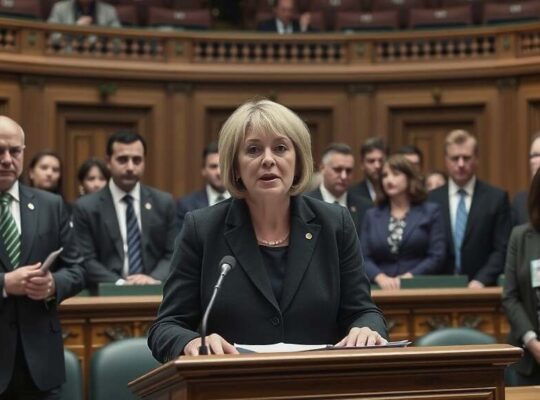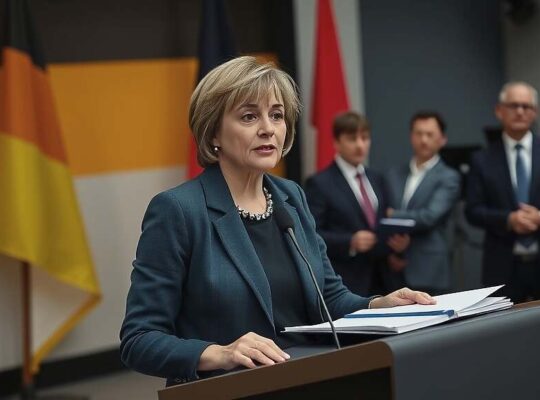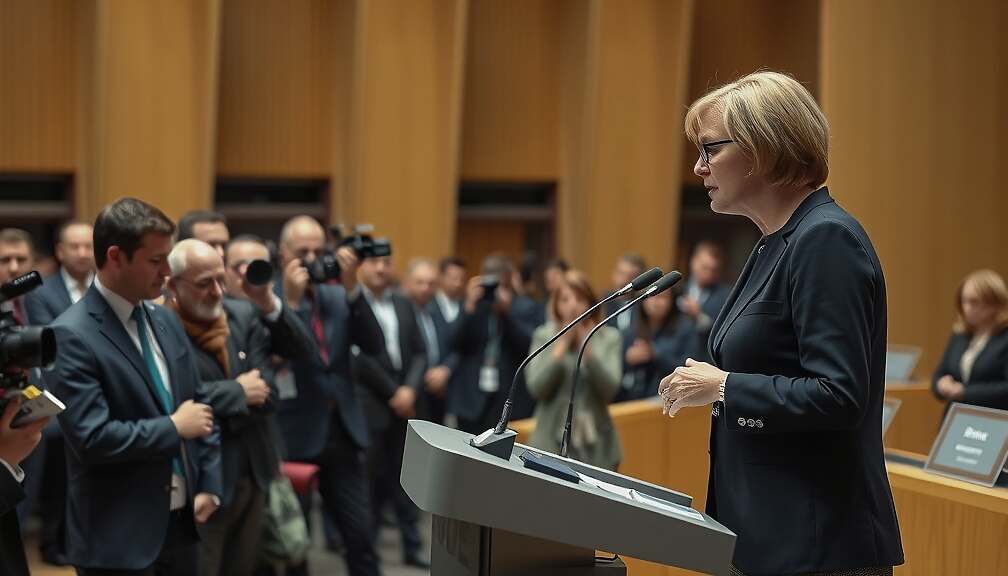
Germany’s federal economy minister, Katherina Reiche of the CDU, underscored the crucial role of a strong industrial base for both Germany and Europe amid global uncertainty. Speaking in Berlin on Friday, Reiche called for collaboration across government, trade unions, and businesses even when differences exist, emphasizing the need to safeguard the country’s competitiveness and attract domestic investment.
She outlined five priority areas for industrial strengthening:
1. “Improving site conditions” – This includes ensuring competitive energy prices, reducing bureaucracy, and fostering an investment-friendly regulatory environment.
2. “Securing skilled workers” – Without qualified personnel the industry cannot thrive. Reiche stressed boosting dual vocational training, on-the-job development, and STEM education opportunities.
3. “Accelerating innovation” – The rapid adoption of technologies such as artificial intelligence in production processes is vital.
4. “Diversifying supply chains and raw‑material sources” – Minimizing dependence on single suppliers or regions was identified as a key risk mitigation strategy.
5. “Revitalising Europe’s economy” – By dismantling trade barriers and better harnessing the EU single market, the continent can enhance economic resilience.
Reiche described the current moment as an “industrial turning point” framing the sector as the foundation of prosperity and value creation. Despite challenges like falling sales and rising insolvencies, she urged actively shaping the future of industry to ensure continued growth and stability.