Thirty-five years after German reunification, a contentious debate is resurfacing regarding the persistence of street names honoring figures from the former Socialist Unity Party (SED) regime in eastern Germany. Evelyn Zupke, the Federal Commissioner for Victims of the SED Dictatorship, is now publicly advocating for the removal of these names, arguing they represent a jarring disconnect from the values of contemporary democratic society.
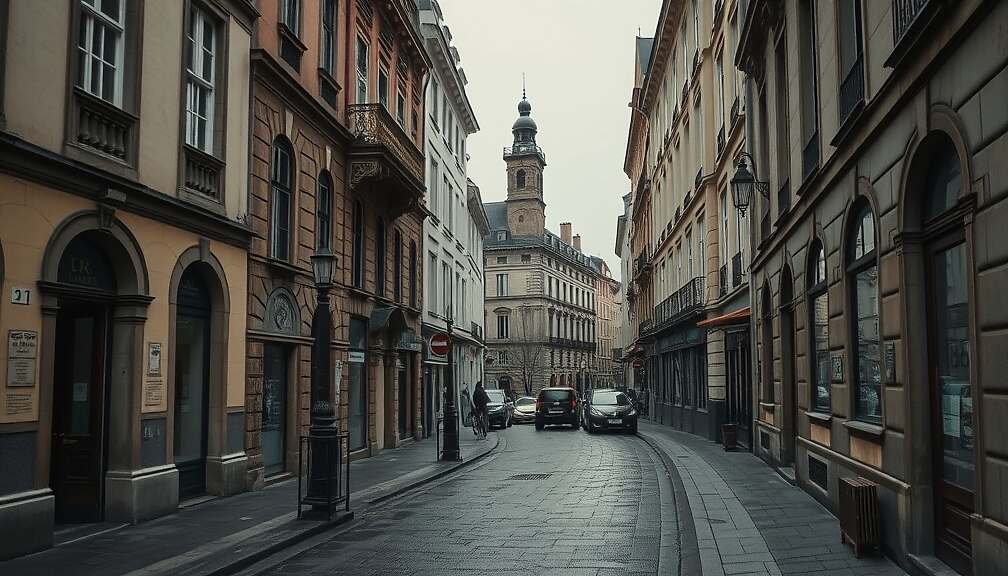
Zupke’s call focuses particularly on streets named after Vladimir Lenin, former SED leaders Wilhelm Pieck and Otto Grotewohl and those commemorating the German-Soviet Friendship (DSF) and agricultural cooperatives (LPGs). The prevalence of these names across eastern German municipalities serves as a visible and for many, an uncomfortable reminder of the SED’s enduring legacy.
“Street names are expressions of recognition and esteem within our present-day democratic society” Zupke stated in an interview with Bild. “Individuals like Lenin, Pieck and Grotewohl are intrinsically linked to the suffering of countless victims of the SED dictatorship. Allowing these names to remain actively perpetuates a narrative that diminishes the experiences of those who endured oppression.
The request highlights a broader critique of the slow pace of historical reckoning in eastern Germany. While significant progress has been made in dismantling the infrastructure of the former GDR, lingering vestiges, such as these street names, continue to fuel political sensitivity. Critics argue that the continued existence of these names serves to normalize the actions and ideologies of an authoritarian regime.
Zupke emphasizes that the responsibility for change rests squarely on the shoulders of local mayors and municipal officials. She proposes renaming these streets in honor of individuals who actively resisted the SED regime during its decades in power, sending a powerful and symbolic signal in this anniversary year of German unity. The suggestion is expected to spark continued debate within eastern German communities, underscoring the complex and ongoing process of confronting the historical wounds of the past.