Retail Sector Signals Concerns as Holiday Season Lags Expectations
A survey conducted by the German Retail City Trade Association (HDE) has revealed widespread disappointment among retailers regarding the preliminary performance of the holiday shopping season. The findings, released Sunday, paint a picture of slow momentum and anxieties about the crucial weeks ahead.
While the HDE acknowledges that the “hot phase” of the Christmas business is starting, Stefan Genth, CEO of the HDE, conceded that it has yet to truly gain traction. Sales figures for the past weeks have consistently fallen short of retailers’ projections, with over 60% reporting weak business during the final week of November. Only a fraction, just under a quarter, expressed satisfaction with the current trajectory. A marginally improved Saturday provided a fleeting glimmer of hope, suggesting potential for stronger sales during the upcoming Advent weekends, but the overall sentiment remains cautious.
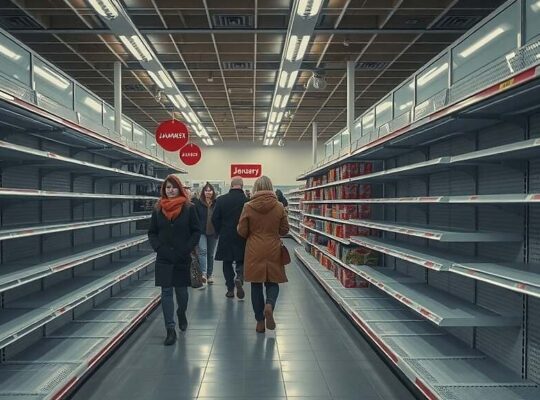
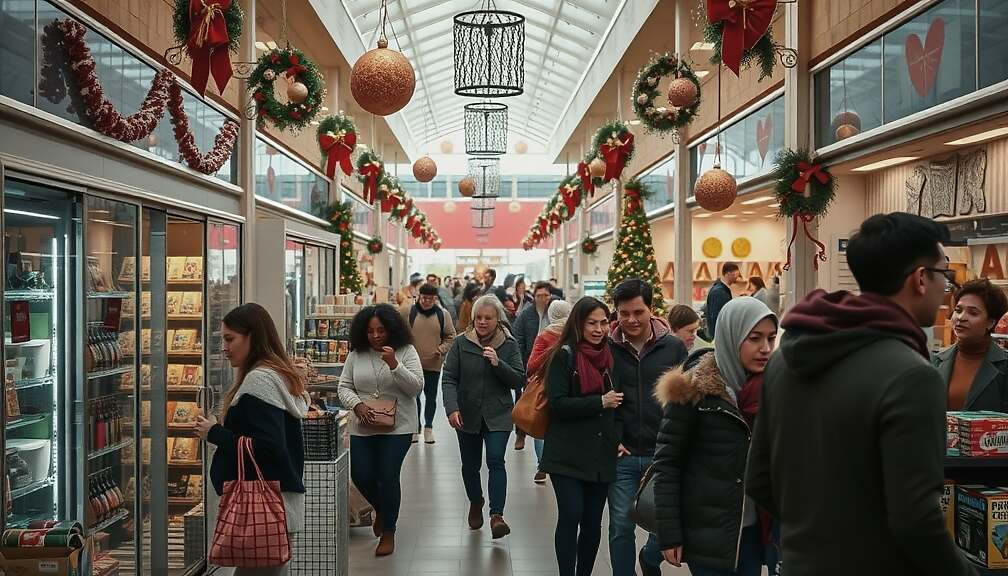
The lack of dynamism is primarily attributed to dwindling foot traffic. A significant 70% of surveyed businesses documented a decrease in customer visits compared to the previous year, a trend raising concerns about the fundamental health of the high street. The ongoing impact of inflation and cost-of-living pressures is likely contributing to this decline, as consumers prioritize essential spending and postpone discretionary purchases.
While certain sectors – notably toys, watches and jewelry and consumer electronics – demonstrated a slightly more positive performance, the overwhelmingly downbeat results highlight a potential systemic issue. The popularity of winter apparel, warm footwear, sportswear and gift vouchers offers some respite, but the 14% satisfaction rate underscores the underlying anxieties permeating the retail sector.
Looking ahead, while retailers anticipate a total turnover of €126.2 billion for November and December – representing a modest 1.5% increase year-on-year – the subdued start of the season casts doubt on whether these projections will be met. The slow build-up risks not only impacting individual retailers’ profitability but also potentially generating a broader economic ripple effect, prompting questions about government policies aimed at stimulating consumer spending and supporting the struggling retail landscape. The next few weeks are critical for the industry.