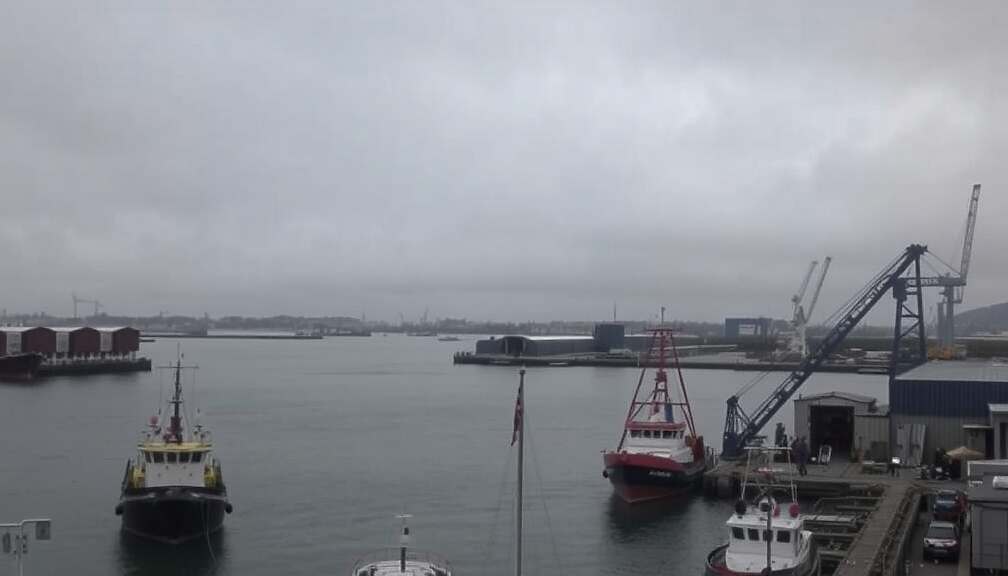
Rotterdam Port Navigates Economic Headwinds, Anticipates Full-Year Volume Decline
Europe’s largest port, the Port of Rotterdam, is bracing for a subdued 2024, with preliminary indicators suggesting a year-on-year decline in cargo throughput. Boudewijn Siemons, CEO of the Port of Rotterdam Authority, acknowledged the challenging performance in an interview with the Frankfurter Allgemeine Zeitung, signaling that the losses experienced during the first three quarters are unlikely to have been offset by a stronger final quarter.
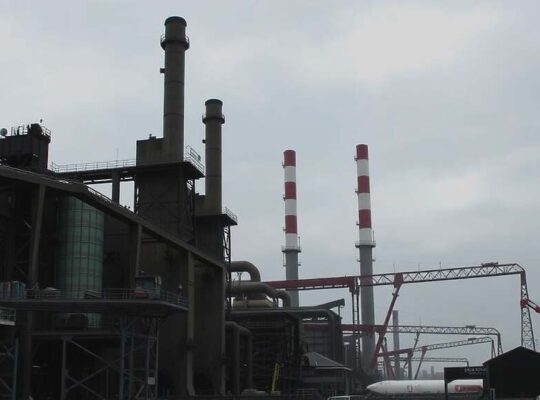
Early data revealed a 2.6% decrease in cargo handling volumes through September, reaching 320 million tonnes. This contraction was largely fueled by an 8% drop in iron ore and scrap metal transshipment – a direct consequence of declining steel production within Germany, a key trading partner. The downturn in the steel sector highlights the interconnectedness of European economies and the vulnerability of port activity to broader industrial trends.
While certain segments within the port demonstrated resilience, particularly container traffic which saw positive growth, Siemons cautioned against overly optimistic interpretations. “The first nine months were simply not exceptionally strong” he stated. “And if I’m allowed a small spoiler alert regarding the full-year figures, I don’t expect the negative trend of the first nine months to be completely reversed in a single quarter.
Siemons attributed the lackluster performance to a discernible absence of robust economic stimulus throughout the year. He pointed specifically to the fourth quarter, noting a lack of “enormous developments” that could have powered a significant rebound. The logistics sector, often a bellwether of broader economic health, appears to be suffering from a protracted period of lackluster growth, potentially reflecting anxieties surrounding geopolitical instability and persistent inflationary pressures.
The anticipated decline raises critical questions about the Port of Rotterdam’s strategic adaptability in the face of evolving global trade patterns and the ongoing restructuring of industrial supply chains. While container traffic offers a glimmer of hope, the vulnerability to fluctuations in core industries, like steel, underscores the need for diversification and investment in future-proof infrastructure. The lack of a significant economic surge in the final quarter also casts doubt on the efficacy of short-term policy interventions and may necessitate a reassessment of long-term growth strategies for the port and the region it serves.