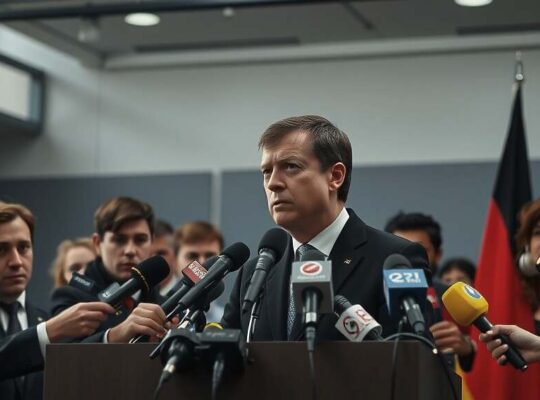
RTL Deutschland, a leading German private broadcaster, announced a significant restructuring plan Tuesday involving the elimination of approximately 600 positions across all of its locations. The move, framed as a strategic realignment toward its rapidly expanding streaming division, RTL+, reflects the broader disruption reshaping the German media landscape.
According to company statements, the staff reductions are intended to sharpen the focus and streamline operational costs, prioritizing investments in the streaming business and the forthcoming acquisition of Sky Deutschland. CEO Stephan Schmitter characterized the cuts as “necessary” to ensure the company’s long-term competitiveness in a dynamically evolving market. He emphasized the current efforts are designed to create a “strong basis” for future success, leveraging the anticipated synergies of the Sky integration.
However, the announcement has drawn criticism, particularly concerning the potential social impact. While RTL touts measures to mitigate the impact – including a special severance package and early retirement options – labor unions and political observers have questioned the scale and timing of the cuts. Critics argue the streamlining process represents a rapid shift away from traditional broadcasting roles and raises concerns about the long-term viability of public service media in a market increasingly dominated by subscription-based streaming platforms.
The move also intensifies debate surrounding the power and influence of large media conglomerates in Germany. RTL’s strategic pivot, fueled by the escalating competition for viewers and advertising revenue, highlights a trend toward consolidation and the prioritization of digital platforms, potentially marginalizing smaller, independent media outlets. The company’s acknowledged need to “realign” suggests a fundamental shift in the business model, leaving questions about the future of traditional media jobs and the diversity of content available to German audiences. Negotiations with the works council are ongoing, but the decision signals a clear acceleration in the digital transformation of German broadcasting and its associated challenges.