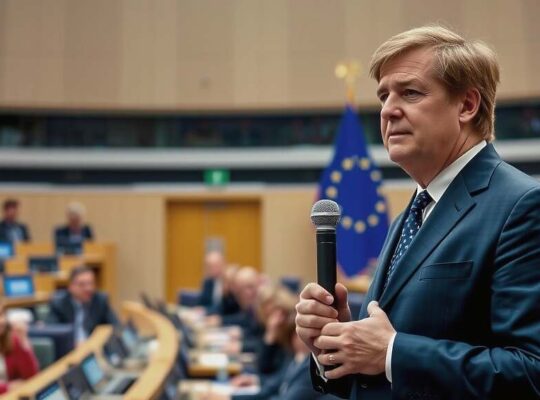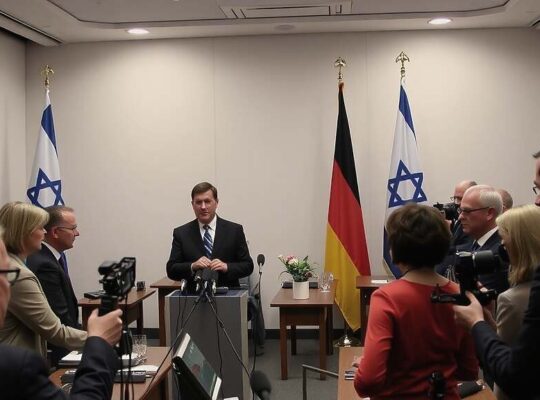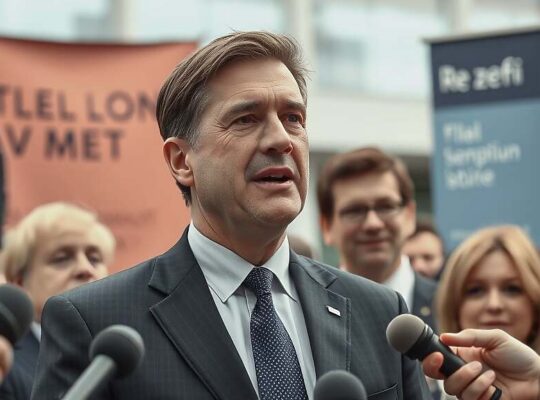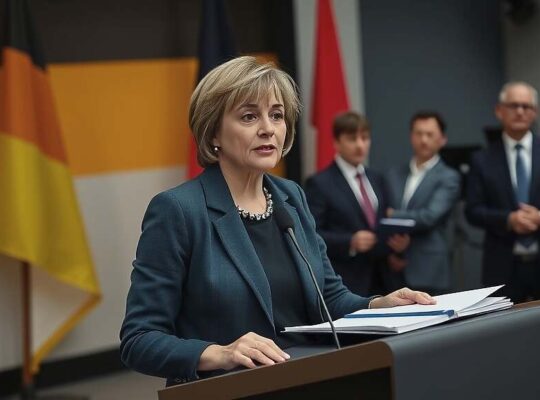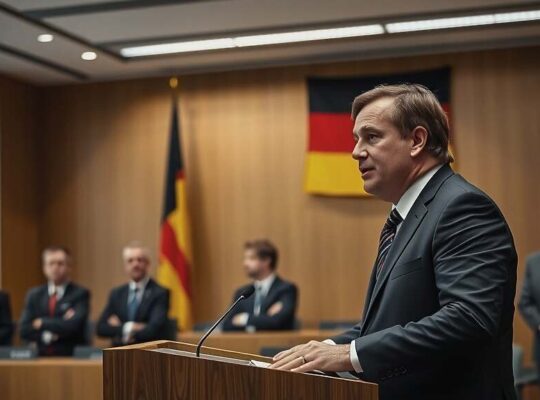
The stark warning from NATO Secretary General Mark Rutte delivered a chilling assessment of the current geopolitical landscape, asserting that Russia’s ambitions extend far beyond Ukraine and pose a direct threat to NATO member states. Speaking at a security conference in Berlin, Rutte cautioned against complacency and underscored the urgent need for a fundamental shift in strategic mindset.
“We must be clear about the threat: we are Russia’s next target” Rutte stated, echoing previous concerns raised upon assuming his leadership role. He highlighted a dangerous trajectory, emphasizing that Russia’s actions this year have demonstrated escalating aggression, ruthlessness and a disregard for established norms, not only against Ukraine but also against the alliance itself.
While acknowledging past decisions made to bolster defenses, Rutte vehemently criticized a perceived sense of self-satisfaction and unwarranted optimism among some within the alliance. “This is not the time for self-congratulation” he declared, directly addressing what he sees as a failure to fully grasp the severity of the situation. He refuted the notion that time is on NATO’s side, insisting that immediate action is critical.
The Secretary General stressed the imperative for rapid increases in both defense spending and industrial production amongst NATO partners. He argued that a collective acknowledgement of the need to actively defend the existing European way of life is now an unavoidable necessity. Rutte’s remarks signal a deliberate effort to jolt the alliance into a more proactive and potentially confrontational posture, acknowledging a widening gap between perceived security and the realities of Russia’s evolving strategy. Critics will likely question whether Rutte’s language risks fueling further escalation, but the message is clear: a period of cautious optimism has ended, replaced by a call for decisive action and a bracing acceptance of a prolonged period of heightened security risks.