Education Disruption Sparks Debate Over Infrastructure and Digital Equity in Saarland
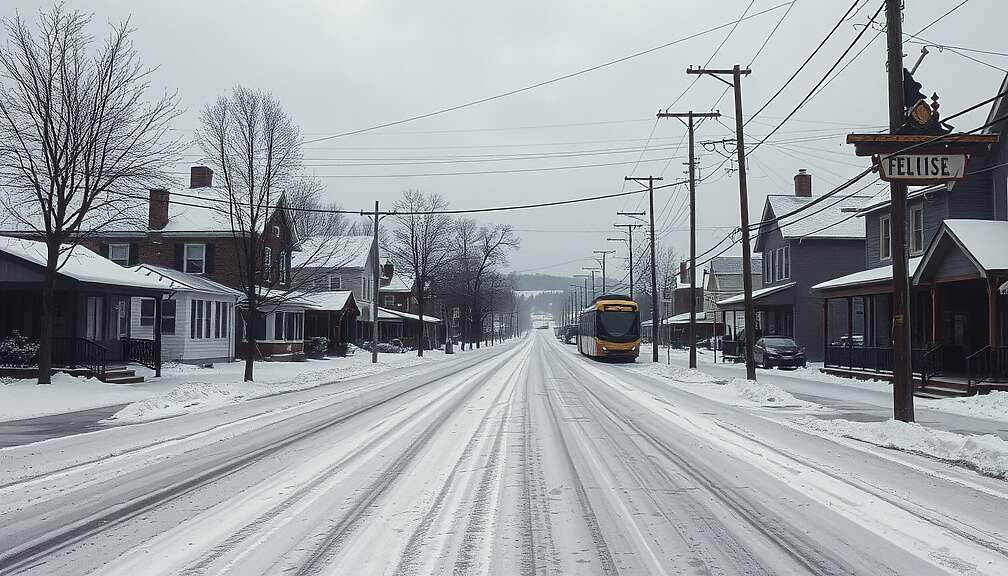
The Saarland state government has abruptly cancelled in-person classes for all schools starting Monday, following a similar decision made earlier in North Rhine-Westphalia. The move, announced late Sunday by Education Minister Christine Streichert-Clivot, is a direct response to severe weather warnings issued by the German Weather Service (DWD) forecasting widespread freezing rain and icy conditions overnight.
Minister Streichert-Clivot framed the decision as a necessary precaution to ensure the safety of students and school staff, stating that the risk posed by treacherous commutes was untenable. Instead of conventional classroom instruction, students will transition to remote learning. To mitigate hardship for families lacking childcare options, each school will establish an emergency care program.
While the government points to the Digital Education Act (DiBiG), enacted in August 2023, as enabling such provisions for exceptional circumstances, the rapid succession of school closures across German states is igniting a broader political discussion. Critics are questioning the adequacy of existing infrastructure, particularly road maintenance and winter preparedness and highlighting the disparities in digital access within the state.
The DiBiG, intended to create a framework for flexible learning solutions, is now under scrutiny. While lauded for its intention to address unforeseen events, the reliance on digital infrastructure revealed vulnerabilities – not every student possesses reliable internet access or adequate devices at home. Concerns are rising about the potential for widening educational gaps between students from different socioeconomic backgrounds during periods of prolonged remote learning.
Opposition parties have already voiced dissatisfaction, demanding a comprehensive review of infrastructure investment priorities and criticizing the government for what they perceive as a reactive rather than proactive approach to weather-related safety concerns. The current situation is prompting renewed calls for a national strategy to bolster infrastructure resilience and ensure equitable access to digital learning tools, lest such disruptions become a recurring feature of the school year.