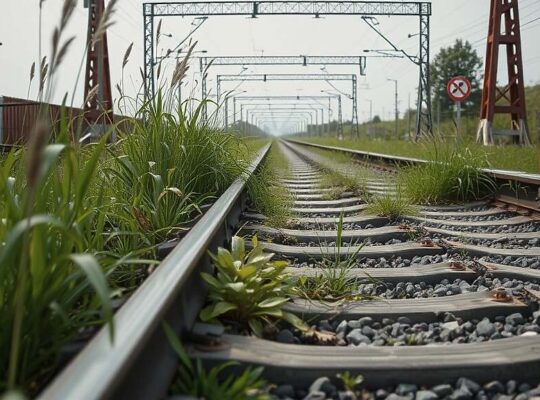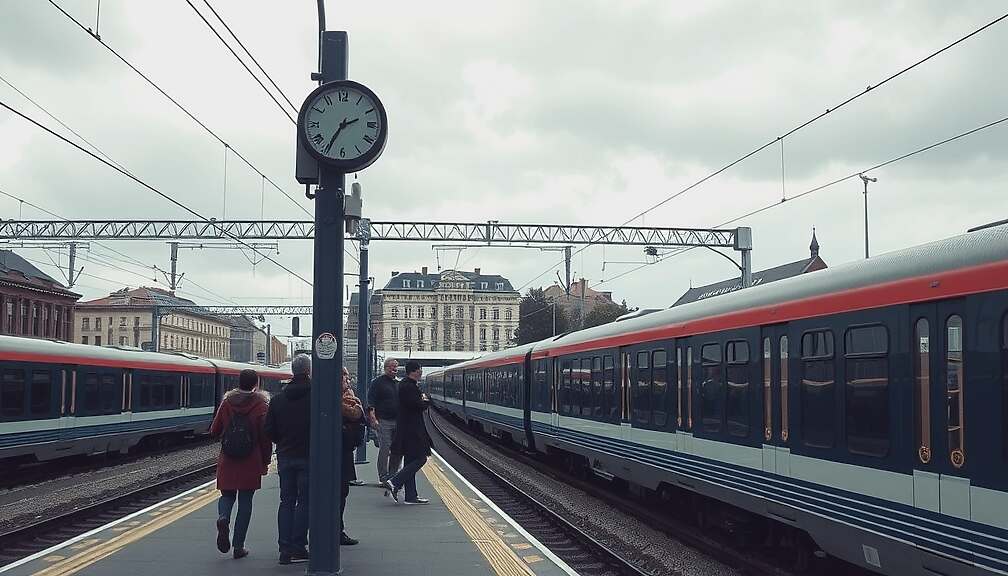
Severe weather conditions have brought the entire rail network in the Hannover metropolitan area to a standstill, impacting a crucial transportation hub and triggering significant disruptions across Northern Germany. Deutsche Bahn (DB), the German national railway company, announced the indefinite suspension of all rail traffic, initially expected to last until at least midday Friday.
The shutdown effectively paralyzes one of Germany’s most important railway junctions, rendering long-distance travel north of the region untenable. DB cited passenger, employee and infrastructure safety as the primary drivers behind the unprecedented measure. Trains have been halted at designated stations, a strategy implemented to mitigate potential risks associated with the deteriorating weather.
While DB claims to be providing on-site support and deploying additional staff to assist stranded passengers, the situation has drawn criticism regarding the railway’s preparedness and contingency planning. The provision of “waiting trains” stationary trains used to accommodate passengers, is seen by some as a temporary fix, masking deeper systemic issues. Critics question the resilience of infrastructure and whether preventative maintenance has been adequately prioritized, particularly in light of increasingly frequent extreme weather events.
The political fallout is already surfacing. Opposition parties are demanding a thorough investigation into the events, scrutinizing DB’s risk assessment protocols and the frequency of infrastructure upgrades. Transportation Minister Volker Wissing has been urged to provide a detailed timeline for the restoration of services and an explanation for the scale of the disruption.
Beyond the immediate inconvenience for travelers, the shutdown has ripple effects on the German economy. Supply chains are being impacted and businesses reliant on rail freight are facing delays and uncertainty. The incident underscores a growing vulnerability within Germany’s transportation infrastructure, highlighting the urgent need for investment and adaptation strategies to cope with the challenges posed by a changing climate. Deutsche Bahn maintains it is working to resume operations as soon as weather conditions permit, but the incident is likely to trigger a period of intense scrutiny and debate regarding the future of rail infrastructure in Germany.