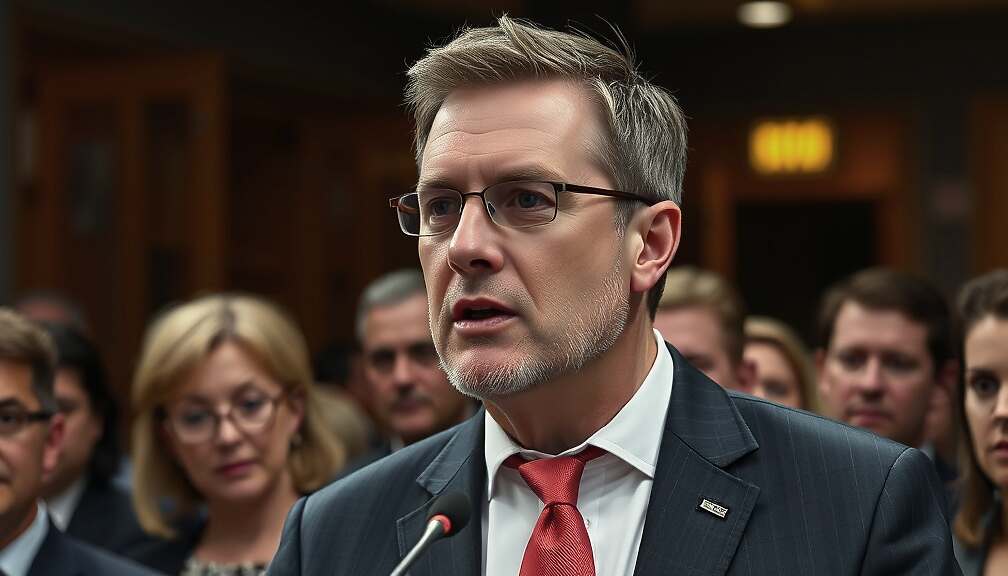
CSU leader Markus Söder defended the federal government’s reform package, telling “Spiegel” that the democratic center is demonstrating its ability to act. Regarding the planned changes to pensions, taxes, and healthcare, he stated that a coalition does not implement reforms all at once, but rather through many small steps, although this revised approach will be pursued consistently.
At the same time, the Bavarian Minister-President cautioned against overly optimistic expectations for these measures, clarifying that the reform package will not have an immediate, sudden impact. Nevertheless, he noted that economic figures could improve in the long run.
Söder described Germany as being in a perpetual crisis. He argued that the country has fallen behind in international competition, and that radical political forces have gained strength. This crisis, he stressed, has been ongoing for years, citing a succession of challenges: “First the epochal challenge of Corona, then the Russian war against Ukraine, later the US tariffs from Donald Trump, and finally the Iran conflict with a new shock to energy prices.” He concluded that all these factors are causing significant uncertainty.
The CSU leader also supported the controversial new regulations concerning sick leave. While acknowledging that Germany records the highest number of sick days in Europe, he argued that this does not necessarily mean Germans are less healthy than those in other European countries. He added that the practice of calling in sick by telephone was introduced during the COVID-19 pandemic to protect both doctors and patients, and now it is appropriate to return to the previous system.