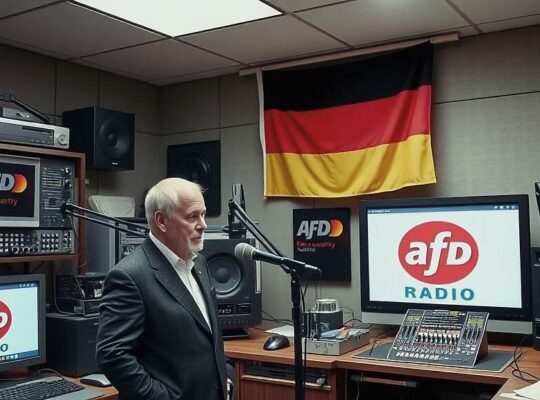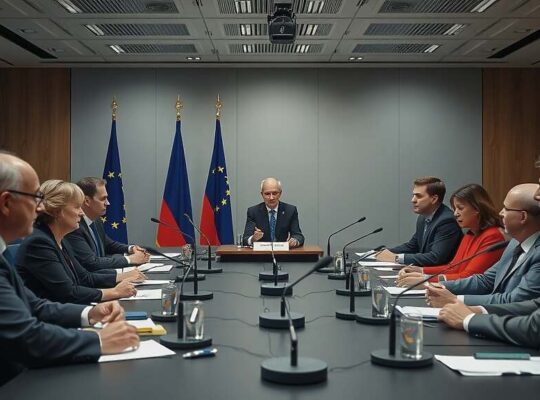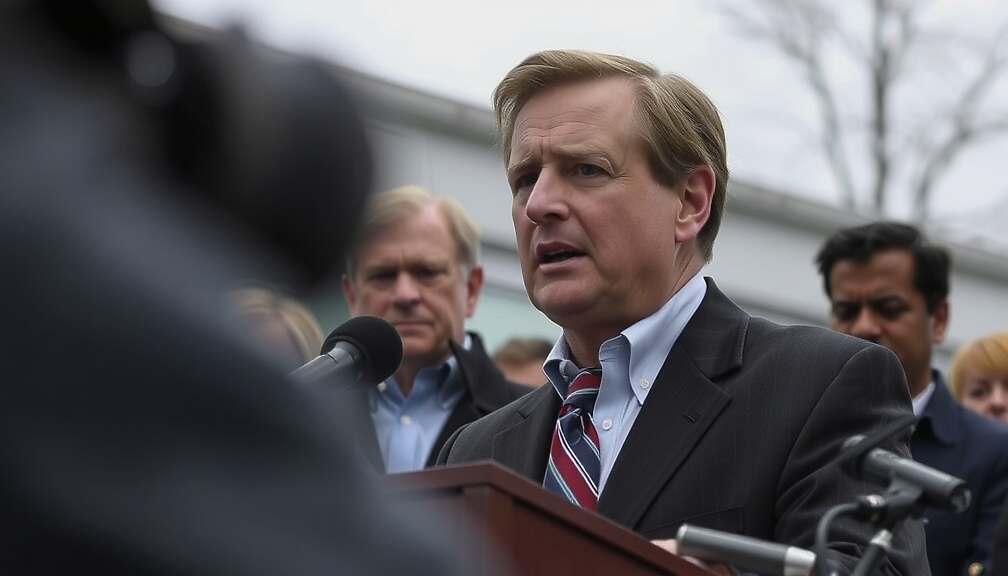
The Bavarian leader, Markus Söder, has signaled a potential shift in the political landscape, openly acknowledging the possibility of a televised debate against a representative of the Alternative for Germany (AfD) in the 2028 state election. In an interview with “Der Spiegel”, Söder stated that he would “not shy away” from such a confrontation, framing it as a necessary defense of democratic principles and a crucial opportunity to highlight ideological differences.
Söder’s comments come amidst growing concerns within the conservative political establishment regarding the AfD’s burgeoning influence. He issued a stark warning against entertainment of potential coalition scenarios involving the AfD at the federal level, specifically rejecting the notion of a minority government where the far-right party could wield decisive sway. He characterized such explorations as exceptionally dangerous, arguing that the AfD’s agenda isn’t about constructive participation but rather about the “destruction” of the established order and the usurpation of conservative ground. Söder emphatically ruled out any possibility of his party becoming a ‘stepping stone’ for the AfD’s advancement.
The Bavarian leader’s pronouncements also included a firm defense of the Christian Democratic Union (CDU) leader, Friedrich Merz, against internal and external criticism. Söder underscored Merz’s perceived ability to maintain party unity, asserting that “no one else” could command the same level of support, even within the CSU itself. He specifically highlighted what he considers Merz’s underrated strength in foreign policy, lamenting the tendency to relentlessly scrutinize and disparage his statements.
As Söder seeks re-election as CSU chairman at the party conference in Munich this Friday, anticipated to achieve a comfortable victory mirroring his previous landslide win, his remarks reveal a growing resolve to confront the rising challenge posed by the AfD. The CSU’s strategy appears to be one of direct engagement and ideological demarcation, acknowledging that the party’s traditional voter base may require reassurance and a clear articulation of the core values differentiating it from the far-right’s increasingly prevalent messaging. This signals a potentially turbulent and intensely polarized period in German politics, with the conservative bloc grappling with the complexities of managing the AfD’s continued ascent.