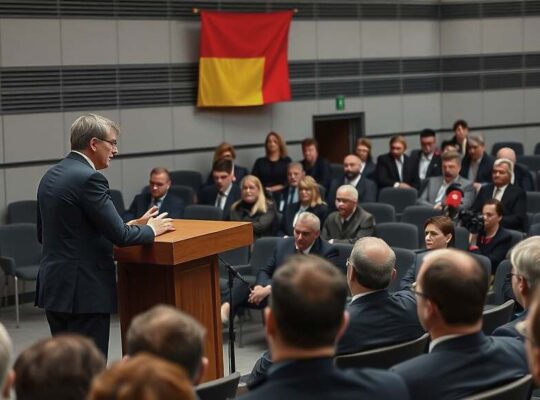
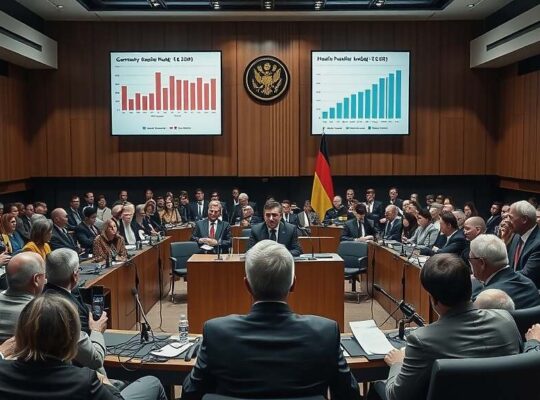
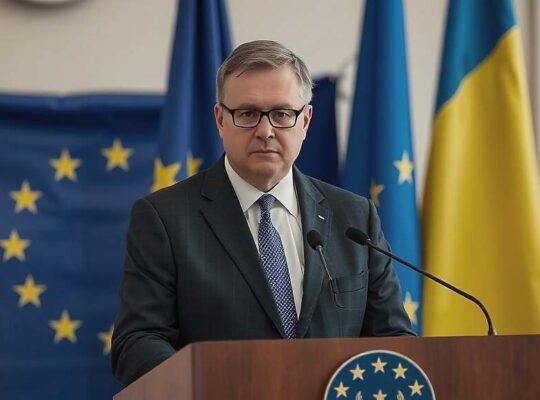
The comparatively subdued electoral endorsement of Markus Söder, securing just 83.6% of the vote at the CSU party conference in Munich, has drawn scrutiny regarding the party’s internal dynamics and leadership stability. Federal Interior Minister Alexander Dobrindt, however, dismisses any interpretation of the result as a rebuke to the CSU chairman.
Speaking to the Rheinische Post, Dobrindt characterized the outcome as “a good result” downplaying its significance by suggesting it fluctuates within a predictable range. He emphasized a prevailing sense of optimism within the party, attributing it to Söder’s address, which he described as insightful regarding necessary domestic policy initiatives and astute regarding international challenges. Dobrindt concluded that the CSU is “excellently positioned” with Söder at the helm.
However, the statistic itself reveals a more nuanced picture. Historical analysis demonstrates that only three CSU chairmen have received lower electoral support in non-contested selections: Hans Ehard in 1951 (79.1%), Franz Josef Strauß in 1983 (77.1%) and Josef Müller in 1947 (61.6%). Even Horst Seehofer, who faced considerable internal friction in 2017, secured a slightly improved result of 83.7%.
The muted endorsement raises questions regarding potential underlying currents of discontent within the CSU, despite Dobrindt’s dismissive assessment. While the party remains publicly united, the lower-than-expected vote share for Söder could signal a need for a more thorough evaluation of leadership strategies and internal communication, especially as the party navigates increasingly complex political landscapes and faces mounting pressure from rival factions. The extent to which Dobrindt’s pronouncements reflect genuine party sentiment or constitute a strategic effort to gloss over underlying tensions remains a point of debate.