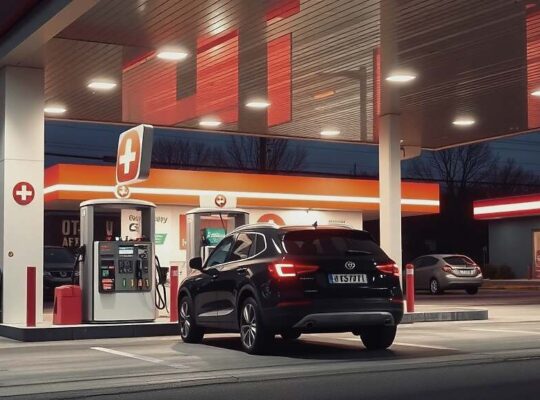
Armand Zorn, the deputy chairman of the SPD parliamentary group, accused the oil corporations of abusing their market power. Speaking to the news portal T-Online, Zorn stated that the price increases for gasoline and diesel during the Easter period were much higher than could be justified by the price of oil alone. He noted that this had also happened in previous years, suggesting the issue was less about the Iran-Iraq War and more about the market strength of the oil conglomerates.
Zorn pointed out that the Federal Cartel Office has secured the legal tools through the fuel measures package to “take strong action” in the mineral oil market. Since April 1st, the oil companies must be able to prove how their price increases were achieved. The SPD politician is pushing for these instruments to be applied consistently if the companies fail to provide a satisfactory explanation.
Zorn also called for further relief measures. He anticipates receiving the results of the review assignments from the ministries, which were decided upon at the last Task Force meeting. This group was established in response to rising fuel costs, and Zorn leads the coalition body with Sepp Müller (CDU). Following these findings, he suggests that parliament should swiftly pass a “relief package”. According to the SPD politician, he advocates for establishing a relative price cap to set clear limits for the oil corporations, and that relief measures should be financed using a windfall tax on the profits already earned. “Our politics cannot and will not leave the people of this country alone with this price crisis” he added.
Müller, however, tempered expectations regarding additional subsidies for drivers. Speaking to “Welt” he advised that “every euro can only be spent once. Those who claim the state can solve every problem are misleading the public”. He stated that the priority must be targeted relief, especially for low- and middle-income earners, families, and workers, and strengthening the small and medium-sized enterprises, which form the backbone of the economy.
Müller also cautioned against the idea of simply “subsidizing away” the crisis. He argued that the price shock cannot be fully offset by tax revenue. As long as the crisis in the Strait of Hormuz continues, energy prices will remain high, and the markets should anticipate at least a year of strain. He warned that new debt is no solution, as it burdens future generations and fuels inflation, citing the example of Italy, where a state gas discount by the Meloni government largely evaporated.